 how-to
Zinsco Panel Danger: What You Need to Know
Table of Contents
- What Is a Zinsco Panel and Why Is It Dangerous
- How to Identify a Zinsco Panel in Your Home
- Zinsco Panel Warning Signs You Shouldn't Ignore
- Performing a Zinsco Panel Inspection
- What to Do If You Have a Zinsco Panel
- Zinsco Panel Replacement Cost and Options
- Frequently Asked Questions
Last Updated: October 9, 2026
What Is a Zinsco Panel and Why Is It Dangerous
A Zinsco panel is an electrical distribution panel manufactured by Zinsco from the 1950s through the 1980s, and understanding Zinsco panel danger is critical for homeowners. These panels controlled power flow throughout homes and businesses. The danger lies in a critical design flaw: the breakers inside these panels can fail to trip during electrical overloads or short circuits.
When a breaker fails to trip, it cannot stop dangerous current from flowing through your home's wiring. This creates extreme heat, which can ignite the insulation around wires and cause fires. The problem is widespread enough that many insurance companies refuse to cover homes with Zinsco panels still in place.
The defect stems from how Zinsco designed the breaker mechanism. Over time, the internal components degrade and lose their ability to respond to electrical faults. A circuit that should shut down in milliseconds simply doesn't. Your home remains energized with dangerous current running through walls and conduits.
In North Charleston and throughout the Lowcountry, older homes built in the 1960s through 1980s frequently contain Zinsco panels. If your home was built during this era, you should have the panel inspected immediately. The risk of electrical fire grows each year the panel remains in service.
Our licensed electricians understand the specific hazards these panels present and can recommend safe replacement options tailored to your home's electrical needs.
How to Identify a Zinsco Panel in Your Home
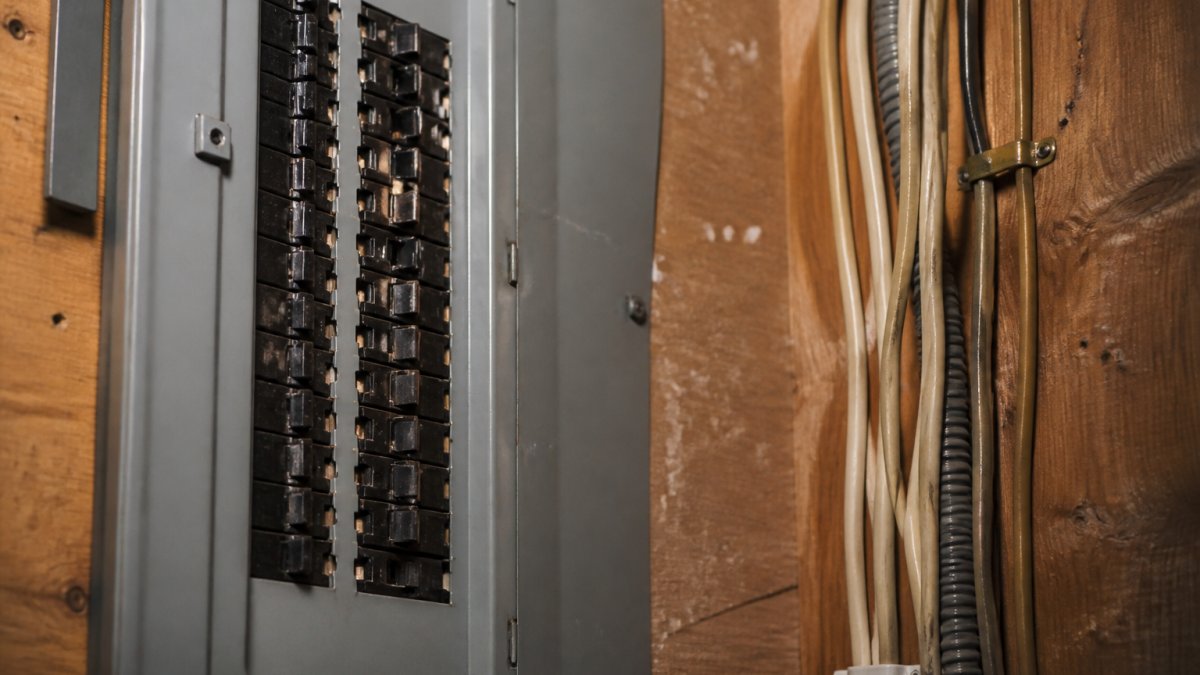
The first step is locating your electrical panel. Most panels are mounted in basements, utility rooms, garages, or crawl spaces. Look for a metal box mounted on the wall, typically gray or tan in color, with a door that opens to reveal rows of switches.
Once you find your panel, check the label on the door or inside the panel cover. The manufacturer's name should be clearly printed. Zinsco panels display "Zinsco" prominently on the cover. Some panels may say "Zinsco Electric" or simply bear the Zinsco logo.
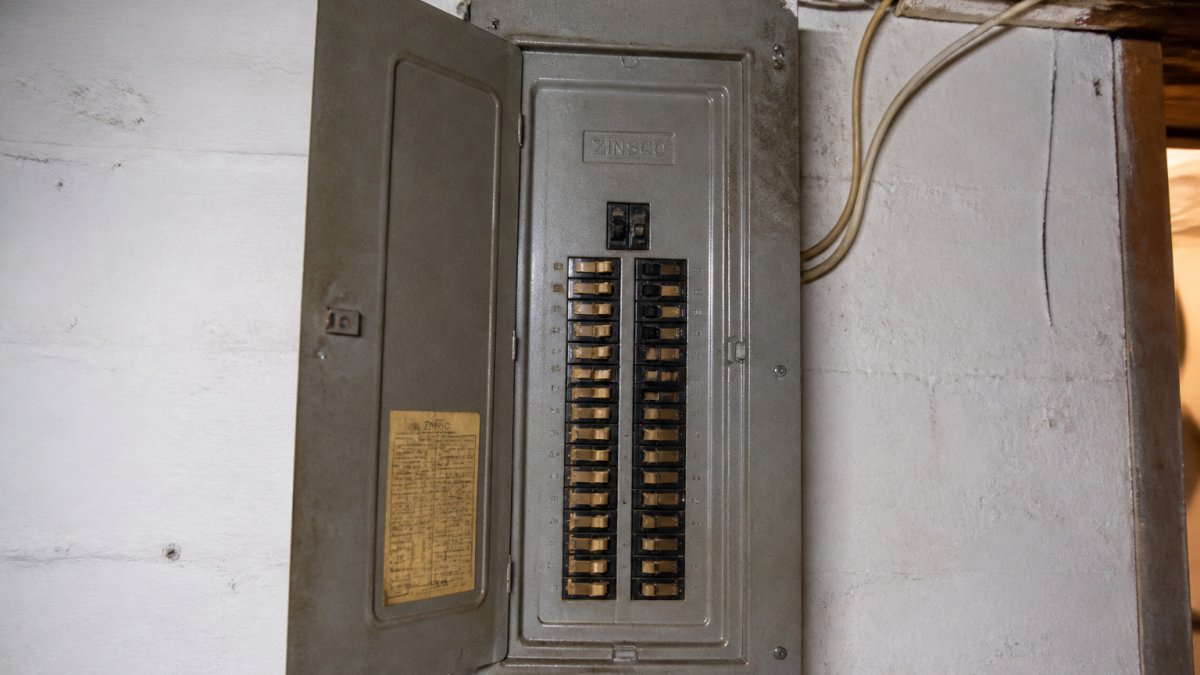
The breaker switches themselves have a distinctive appearance. Zinsco breakers are typically tan or beige colored, not black like modern breakers. The switches may have a slightly rounded shape compared to contemporary breaker designs. If you see a row of tan-colored switches inside a metal box labeled Zinsco, you have found the problem.
Another identifying feature is the panel's age. Zinsco panels are 40+ years old at this point. If your home was built before 1990 and you have never replaced the main electrical panel, a Zinsco panel is likely present.
Don't attempt to open the panel yourself to inspect it more closely. Electrical panels contain live current even when the main breaker is off. Contact a licensed electrician to perform a safe inspection. EmergenServe offers same-day panel inspections throughout North Charleston and can identify your panel type.
Zinsco Panel Warning Signs You Shouldn't Ignore
Several warning signs indicate your Zinsco panel may be failing and reveal the extent of Zinsco panel danger. The most obvious is breakers that won't stay in the "on" position. If you reset a breaker and it immediately trips again, or if it flips to the middle position between "on" and "off," the breaker is malfunctioning.
Burning smells near your electrical panel demand immediate attention. A burning odor indicates overheating inside the panel or breaker components. This smell suggests arcing or internal fire risk. Do not ignore this warning. Shut off power to non-essential circuits and call an electrician immediately.
Visible burn marks, scorching, or discoloration on the panel cover or breaker switches point to past electrical faults. These marks show the panel has already experienced dangerous conditions. The risk of future fires increases significantly.
Flickering lights throughout your home suggest loose connections or failing breakers. If lights dim when you turn on high-draw appliances like air conditioners or water heaters, the panel may not be distributing power correctly. Zinsco panels often cannot handle the electrical demands of modern homes.
Frequent breaker trips indicate the panel is struggling. Modern homes use more electricity than homes from the 1970s and 1980s. Zinsco panels were not designed for today's electrical loads. Constant tripping suggests the panel is stressed and breakers are deteriorating.
Heat around the panel is another red flag. Feel the panel cover with your hand (do not touch the breakers themselves). If the panel feels hot to the touch, internal components are overheating. This is a serious safety concern requiring immediate professional evaluation.
Any combination of these warning signs means you should have the panel professionally inspected. EmergenServe can evaluate your panel's condition and explain your replacement options.
Performing a Zinsco Panel Inspection
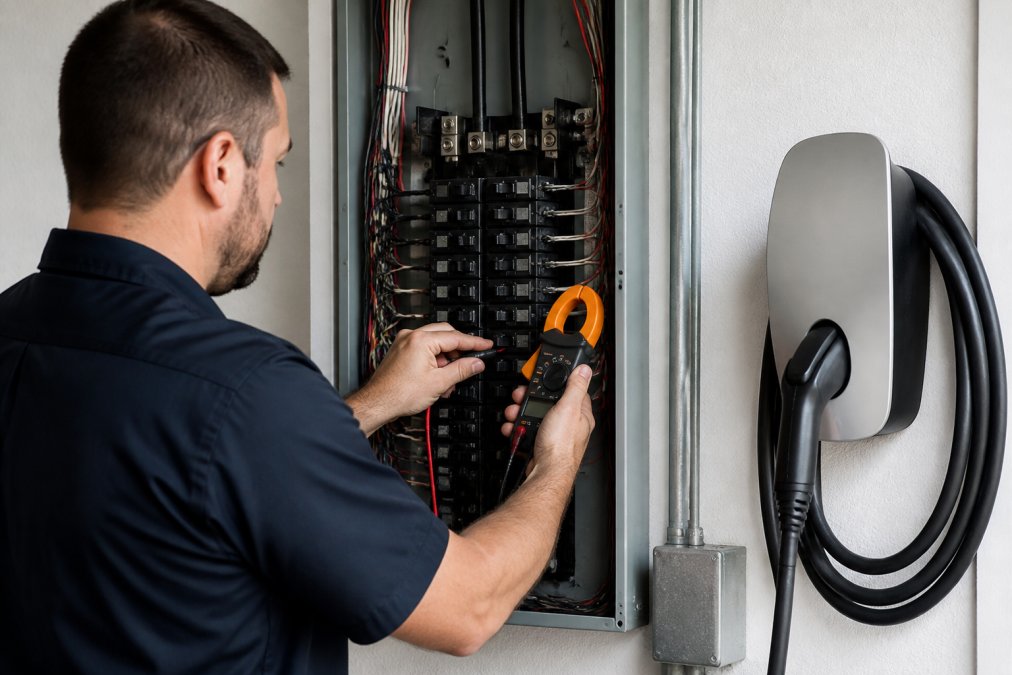
A proper Zinsco panel inspection requires a licensed electrician. You should never open an electrical panel yourself or attempt to test breakers. The risk of electrocution is real, and touching live components can be fatal.
When you call for an inspection, describe any warning signs you have noticed. Tell the electrician about breaker trips, burning smells, age of the home, or previous electrical problems. This information helps the electrician prioritize safety during the inspection.
The electrician will visually examine the panel without opening it first. They will check the label to confirm the manufacturer. They will look for burn marks, scorching, or visible damage. They will ask about the home's age and electrical history.
If the panel is confirmed as Zinsco, the electrician will explain the specific risks. They will describe how the defective breakers work and why they pose a fire hazard. They will recommend replacement as the safest solution.
The inspection typically takes 30 minutes to an hour. The electrician may test individual circuits using specialized equipment. They will provide a written report documenting the panel type, condition, and recommended actions.
Professional inspections cost far less than dealing with an electrical fire. Insurance companies often require proof of inspection before they will insure a home with a Zinsco panel. Some lenders will not finance a home purchase without a panel replacement.
EmergenServe offers comprehensive panel inspections. Our inspections include recommendations for replacement timing and options suited to your home's needs. We can schedule same-day inspections throughout North Charleston.
What to Do If You Have a Zinsco Panel
Once you have confirmed you have a Zinsco panel, replacement is the recommended action. Do not delay this decision. The longer the panel remains in service, the greater the fire risk becomes.
Start by contacting your insurance company. Ask whether they will cover your home with a Zinsco panel in place. Many insurers require panel replacement as a condition of coverage. Some will not insure homes with Zinsco panels at all. Understanding your insurance situation helps you prioritize replacement.
If you are planning to sell your home, disclose the Zinsco panel to potential buyers. Most home inspectors will identify the panel during their inspection. Buyers may request a price reduction or require replacement before closing. Addressing the issue proactively often results in smoother transactions.
Contact a licensed electrician to discuss replacement options and timeline. The electrician will assess your home's electrical needs and recommend an appropriately sized replacement panel. They will explain the replacement process and timeline.
Do not attempt to replace the panel yourself. Panel replacement requires specialized knowledge, proper permitting, and inspection by local authorities. Improper installation creates new hazards. Licensed electricians have the training and insurance to perform this work safely.
Ask the electrician about temporary measures while you arrange replacement. In some cases, the electrician may recommend limiting electrical usage to reduce stress on the failing panel. They may suggest unplugging non-essential devices or avoiding simultaneous use of high-demand appliances.
If you experience a burning smell or visible fire from the panel, shut off the main breaker immediately and evacuate the home. Call 911 from outside the home. Do not attempt to extinguish an electrical fire with water. Wait for emergency responders to arrive.
EmergenServe can guide you through the entire replacement process. We help homeowners understand their options, arrange inspections, and schedule replacement at a time that works for your schedule. Our team handles all permitting and ensures the new panel meets current electrical codes.
Zinsco Panel Replacement Cost and Options
Replacing a Zinsco panel involves several components: the new panel itself, installation labor, permitting, and inspection fees. The total investment depends on your home's size, electrical complexity, and local requirements.
When you contact an electrician for a quote, they will assess your home's electrical system. They will review your current electrical usage and determine the appropriate panel size. They will explain what is included in the replacement cost.
The replacement process typically takes one to two days. The electrician will shut off power to your home, remove the old Zinsco panel, install the new panel, and reconnect all circuits. They will obtain the required electrical permit and schedule the final inspection with local authorities.
During replacement, your home will be without power for several hours. Plan accordingly by turning off or unplugging sensitive electronics. The electrician will advise you on what to expect during the work.
After installation, a local electrical inspector will verify the work meets code. This inspection is required before you can legally use the new panel. The inspection typically occurs within a few days of installation.
Modern replacement panels offer significant advantages over Zinsco panels. New panels have breakers that respond instantly to electrical faults. They accommodate modern electrical demands and future upgrades. They include safety features like arc fault protection and ground fault protection.
Some homeowners ask about upgrading their electrical service at the same time. If your home has an older 100-amp service, you may want to upgrade to 150 or 200 amps. This upgrade supports modern appliances and future needs.
EmergenServe provides transparent quotes for Zinsco panel replacement. We explain exactly what is included and what to expect during the process. We handle all permitting and coordinate with local inspectors. Our goal is to make panel replacement as straightforward as possible.
Electrical safety is not an area where shortcuts work. A failing Zinsco panel puts your family, your home, and your property at risk every single day. The fire hazard grows worse each year the panel remains in service.
EmergenServe specializes in identifying and replacing dangerous electrical panels. Our licensed, bonded, and insured team has experience with older electrical systems. We offer same-day inspections, transparent pricing, and reliable installation. Contact EmergenServe today to schedule your panel inspection and take the first step toward a safer home.
Frequently Asked Questions
What makes a Zinsco electrical panel dangerous?
Zinsco panels pose multiple hazards: breakers frequently fail to trip during overloads or short circuits, leaving wiring unprotected and creating fire risk. The panel's internal components degrade over time, causing arcing and overheating. Many insurance companies and home inspectors flag Zinsco panels as uninsurable or require immediate replacement before closing on a property sale. The combination of failed breaker protection and deteriorating internal components makes Zinsco panel danger a serious electrical safety issue.
How can I tell if I have a Zinsco panel?
Look for the Zinsco name printed on the main panel cover, it's usually located in your basement, utility room, or garage. The panel is typically tan or beige in color with a distinctive appearance. You may also see 'Zinsco' or 'Zins' on individual breaker switches inside the panel. If you're unsure, take a photo of your panel and have a licensed electrician confirm. Never open the panel yourself; a professional inspection is the safest way to identify your panel type and assess any Zinsco panel danger.
Should I replace a Zinsco panel?
Yes, replacement is strongly recommended. Most insurance companies will not insure homes with Zinsco panels, and many lenders require replacement before financing. Even if your panel appears to work, the internal failure risk is high. A replacement eliminates the Zinsco panel danger entirely and restores full insurance coverage and lender approval. The cost of replacement is far less than the risk of electrical fire, property damage, or injury from a failed panel.
What should I do if my Zinsco panel is hot, buzzing, or smells like burning?
These are emergency warning signs of imminent electrical failure. Turn off power to non-essential circuits if safe to do so, then immediately call a licensed electrician or contact emergency electrical services. Do not attempt repairs yourself. Shut off the main breaker only if you can reach it safely without touching hot surfaces. If you smell burning or see sparks, evacuate the area and call 911. A Zinsco panel in this condition poses immediate fire and electrocution risk and requires urgent professional attention.