 how-to
Signs Your Historic Home Needs Rewiring: 8 Warning Signs
Table of Contents
- How to Tell If Your Historic Home Needs Rewiring
- 1. Frequent Circuit Breaker Trips and Blown Fuses
- 2. Burning Smells, Scorch Marks, and Warm Outlets
- 3. Knob-and-Tube and Aluminum Wiring Risks
- 4. Ungrounded Two-Prong Outlets and Flickering Lights
- NEC Electrical Code Compliance for Historic Homes
- Cost to Rewire a Historic Home and What to Expect
- Frequently Asked Questions
Last Updated: September 16, 2026
How to Tell If Your Historic Home Needs Rewiring
Knowing the signs your historic home needs rewiring can mean the difference between a routine service call and a house fire. If your Charleston-area home was built before 1950, the wiring behind the plaster walls was never designed for modern electrical demand, and it may be failing right now without obvious warning.
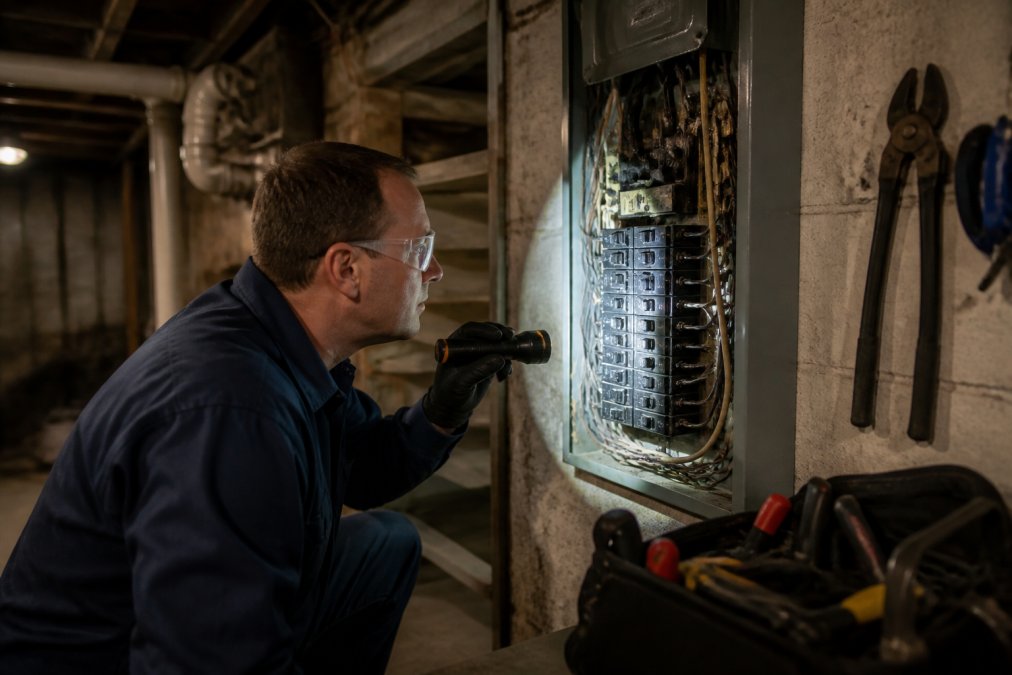
This guide covers the eight warning signs that matter most, plus what rewiring actually involves, what it costs, and how it affects your insurance and resale value.
Here's the uncomfortable truth most guides skip: historic homes rarely fail all at once. They degrade slowly, one overloaded circuit at a time, until a single appliance pushes a marginal system past its limit.
Why Older Wiring Systems Fail
Older wiring fails because the materials themselves break down and the loads placed on them have multiplied. Wiring insulation that was pliable in 1940 becomes brittle and cracked by 2026, exposing conductors that can arc against wood framing. Meanwhile, a single modern kitchen today draws more current than an entire 1930s household.
Three failure mechanisms drive most problems:
- Insulation degradation: Cloth and rubber insulation dries out, cracks, and crumbles, leaving bare wire inside walls
- Overloaded circuits: Original circuits were sized for lighting and a few small appliances, not air conditioning, EVs, or commercial kitchen equipment
- Loose connections: Heat cycling at outlets and junction boxes loosens screw terminals, which raises resistance and creates hot spots
According to the U.S. Fire Administration residential fire data, electrical failures and malfunctions remain a leading cause of home fires, and older housing stock carries disproportionate risk. That's why an electrical system inspection matters more in a pre-war home than in new construction.
1. Frequent Circuit Breaker Trips and Blown Fuses
Repeated breaker trips are the single most common sign your historic home needs rewiring. A breaker that trips once after a lightning strike is normal; a breaker that trips weekly means the circuit is overloaded or the wiring itself has developed a fault.
2. Burning Smells, Scorch Marks, and Warm Outlets
A burning smell near an outlet or switch is an emergency, not a maintenance item. Scorch marks, discolored faceplates, and outlets that feel warm to the touch all indicate heat building where it shouldn't, usually from a loose connection or an overloaded circuit.
Three symptoms warrant an immediate call:
- A persistent burning or fishy smell with no visible source
- Brown or black scorch marks around an outlet, switch, or panel
- An outlet or switch plate that feels warm or hot during normal use
3. Knob-and-Tube and Aluminum Wiring Risks
Knob-and-tube and aluminum wiring are the two legacy systems most likely to require full replacement rather than repair. Both were standard in their era, and both fall short of what modern households demand.
How to Identify Knob-and-Tube Wiring
You can identify knob-and-tube wiring by looking in an unfinished basement, attic, or crawlspace for white ceramic knobs nailed to joists with individual wires strung between them. Look for cloth-wrapped or rubber-insulated conductors, no ground wire, and porcelain tubes where wires pass through wood. If you find any of these, the system has likely outlived its safe service life.
4. Ungrounded Two-Prong Outlets and Flickering Lights
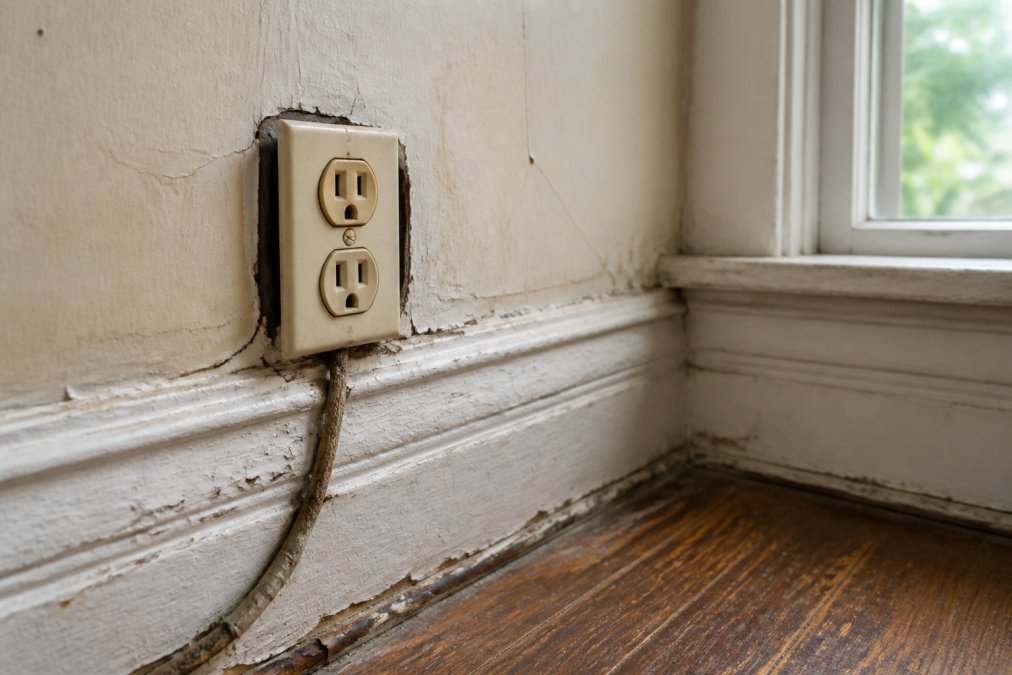
Ungrounded two-prong outlets and flickering lights are two of the clearest signs your historic home needs rewiring, because both point to a grounding problem that affects every device you plug in. A two-prong outlet has no ground path, which means a fault has nowhere safe to go.
NEC Electrical Code Compliance for Historic Homes
NEC electrical code compliance for historic homes is less about ripping everything out and more about making the system safe, grounded, and adequate for modern loads. The National Electrical Code is updated on a three-year cycle, and NFPA 70, the National Electrical Code sets the baseline most jurisdictions adopt.
Why Modern Loads Break Original Systems
Modern electrical load requirements are the real driver, and the math is unforgiving. A 1940s home was wired for lighting, a radio, and perhaps a refrigerator, often on a single 15-amp or 20-amp circuit per floor. Today's household stacks loads that didn't exist when the wire was installed:
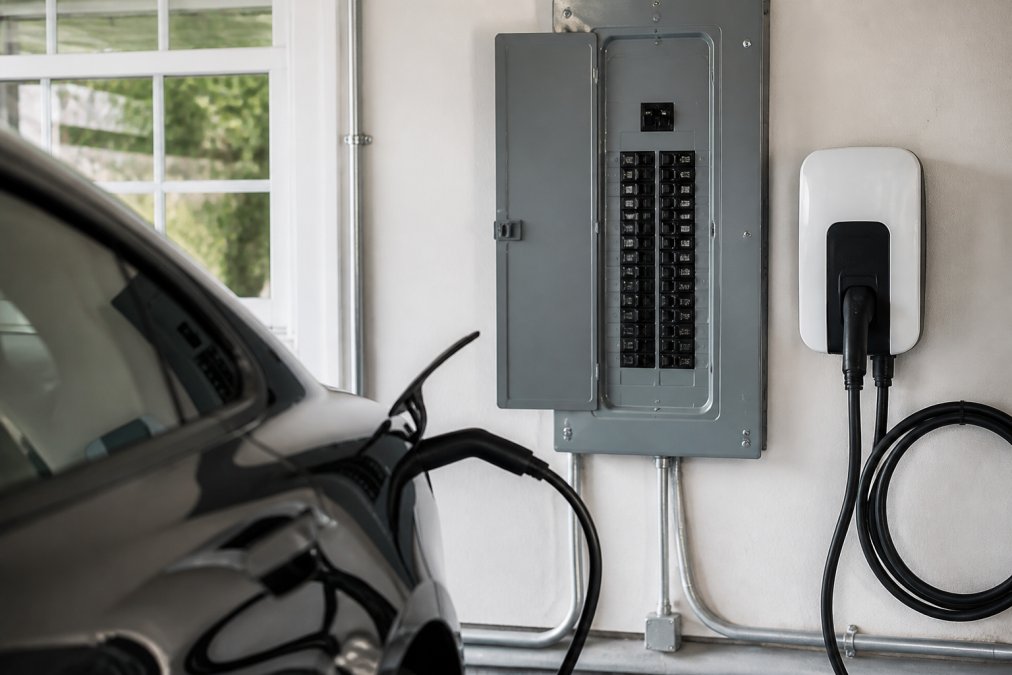
- EV charging: A Level 2 home charger draws 32 to 48 amps continuously on its own dedicated circuit
- Heat pumps and central air: 20 to 50 amps depending on tonnage and whether backup resistance heat is included
- Tankless water heaters: 60 to 120 amps, often requiring a service upgrade on its own
- Induction ranges and wall ovens: 30 to 50 amps
- Smart home and home office loads: Modest individually, but they add up across dozens of always-on devices
What Actually Gets Inspected
When an electrician pulls a permit, the inspection focuses on the parts of the system that affect safety, not on whether the house looks original:
- Grounding and bonding: Is there a continuous ground path, and is the panel bonded to the water and gas piping where required?
- GFCI and AFCI protection: Kitchens, bathrooms, laundry, garages, and outdoor receptacles need GFCI; many jurisdictions now expect AFCI protection on bedroom and living-area circuits
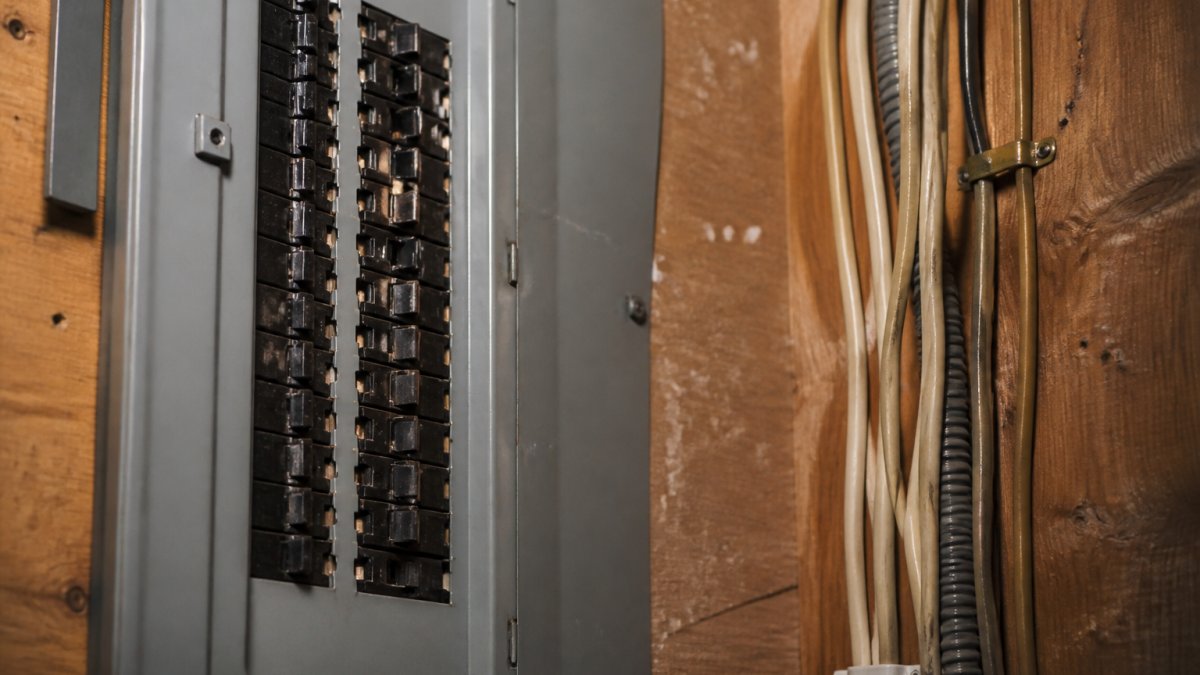
- Panel labeling and capacity: Breakers must match wire gauge, and the panel must have room and capacity for the circuits it serves
- Junction box accessibility: Splices buried in walls or ceilings fail inspection
- Receptacle condition: Cracked, painted-over, or ungrounded receptacles are flagged
Cost to Rewire a Historic Home and What to Expect
The cost to rewire a historic home depends on square footage, accessibility, whether the walls are open, and how much of the original system can be reused. Because pricing varies that widely, we quote every project individually rather than publishing a flat figure. Contact EmergenServe for a current estimate on your property.
The variables that move the number most are:
- Accessibility: Finished plaster, plaster-and-lath walls, and original millwork slow the work and require careful restoration
- Square footage and circuit count: More rooms, more outlets, more home runs back to the panel
- Panel and service capacity: Upgrading from a 60-amp or 100-amp service to 200-amp service adds cost but is often unavoidable
- Whether walls are already open: A renovation in progress is the cheapest possible time to rewire
- Permits and inspection: Required in most jurisdictions and priced by scope
What the Rewiring Process Actually Looks Like
Most homeowners hesitate because they don't know what the job will do to their house or their daily routine. Here's the honest sequence:
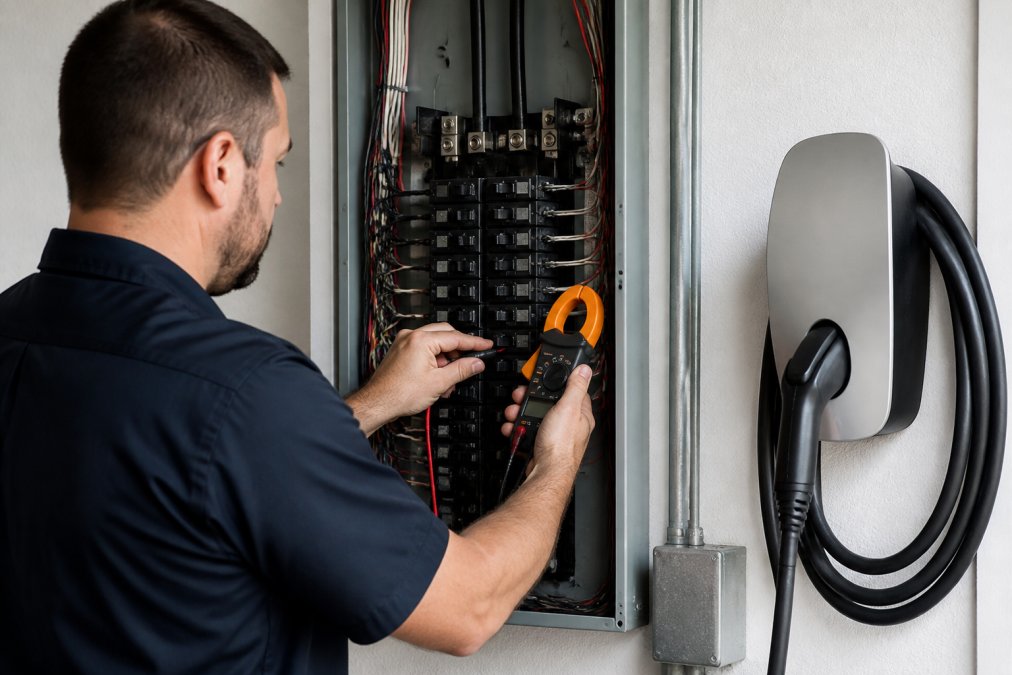
- Assessment: A licensed electrician maps existing circuits, identifies legacy wiring, and checks the panel's capacity
- Plan and permit: We document what needs replacing and pull the required permits
- Access work: In historic homes, electricians often fish new cable through existing cavities to limit plaster damage. Where that isn't possible, they cut small, strategic openings rather than tearing out whole walls
- Replacement: New grounded circuits, updated outlets, GFCI protection, and a panel upgrade where needed
- Inspection and restoration: The work is inspected, then walls are patched and finished
Timeline and Living Arrangements
Timelines range from a few days for partial circuit replacement to several weeks for a whole-home rewire in a large historic property. The scope drives the schedule far more than the age of the house.
Insurance and Resale Implications
Insurance and resale are the two places where deferred rewiring costs you the most, and they're the angles most articles ignore. Insurers increasingly ask about the age and type of wiring before issuing or renewing a policy, and knob-and-tube or aluminum wiring can trigger higher premiums, exclusions, or outright denial.
| Warning Sign | Urgency | Typical Fix |
|---|---|---|
| Burning smell or scorch marks | Emergency | Cut power, call electrician now |
| Warm outlets, buzzing | Urgent | Inspect and repair connections |
| Frequent breaker trips | Prompt | Load analysis, circuit repair |
| Knob-and-tube or aluminum wiring | Planned | Full or partial rewiring |
| Two-prong ungrounded outlets | Planned | Grounding and GFCI upgrades |
| Flickering or dimming lights | Prompt | Voltage drop diagnosis |
Frequently Asked Questions
How do I know if my historic home needs rewiring?
Watch for frequent circuit breaker trips, flickering or dimming lights, burning smells, warm outlets, scorch marks, and buzzing sounds. If your home has knob-and-tube or aluminum wiring, ungrounded two-prong outlets, or fuses that blow repeatedly, those are strong signals. A licensed electrician can perform a full electrical system inspection to confirm whether partial or full rewiring is needed.
What is the cost to rewire a historic home?
The cost to rewire a historic home depends on square footage, wiring type, wall construction, and whether you need a panel upgrade. Historic properties often require extra labor to preserve plaster, trim, and original details. Pricing varies widely by scope, so request a detailed quote from a licensed electrician.
Can I partially rewire my historic home or does it need to be total?
Partial rewiring is often possible. If only certain circuits or rooms have degraded wiring, an electrician may replace those sections and leave sound wiring in place. However, if knob-and-tube or aluminum wiring runs throughout the home, a full rewire is usually safer and more cost-effective long term. An inspection determines the right scope.
What are the most common fire hazards in historic electrical systems?
The biggest fire hazards include insulation degradation on old wiring, overloaded circuits from modern appliances, loose connections at junction boxes, and aluminum wiring that can overheat at terminals. Knob-and-tube wiring lacks a ground and its insulation becomes brittle over time. These conditions create electrical arcs that can ignite surrounding wood framing.
Historic homes in the Lowcountry deserve better than guesswork, and the warning signs above rarely resolve on their own. If you've noticed any of them, don't wait for a breaker to fail at 2 AM. EmergenServe is a locally owned, licensed, bonded, and insured team with 24/7 emergency availability, a 60-minute emergency response, and same-day booking for residential and commercial properties. Get started with EmergenServe and get a straight assessment of what your home actually needs.