 how-to
Is My Panel EV Charger Ready? 2026 Checklist
Table of Contents
- How to Tell If Your Panel Is EV Charger Ready: A Visual Inspection
- Electrical Panel Load Calculation: The Math Behind the Answer
- 100-Amp vs 200-Amp Service: What Your EV Actually Needs
- Level 2 Charger vs Wall Outlet: Why One Demands a Dedicated Circuit
- Signs Your Panel Needs an Upgrade Before You Install a Charger
- Cost of Electrical Panel Upgrade: What Affects Your Quote
- Smart Panels and Load Management: EV Charger Ready Without a Full Upgrade
- When to Call a Licensed Electrician for Your EV Charger Installation
- Frequently Asked Questions
Last Updated: September 22, 2026
How to Tell If Your Panel Is EV Charger Ready: A Visual Inspection
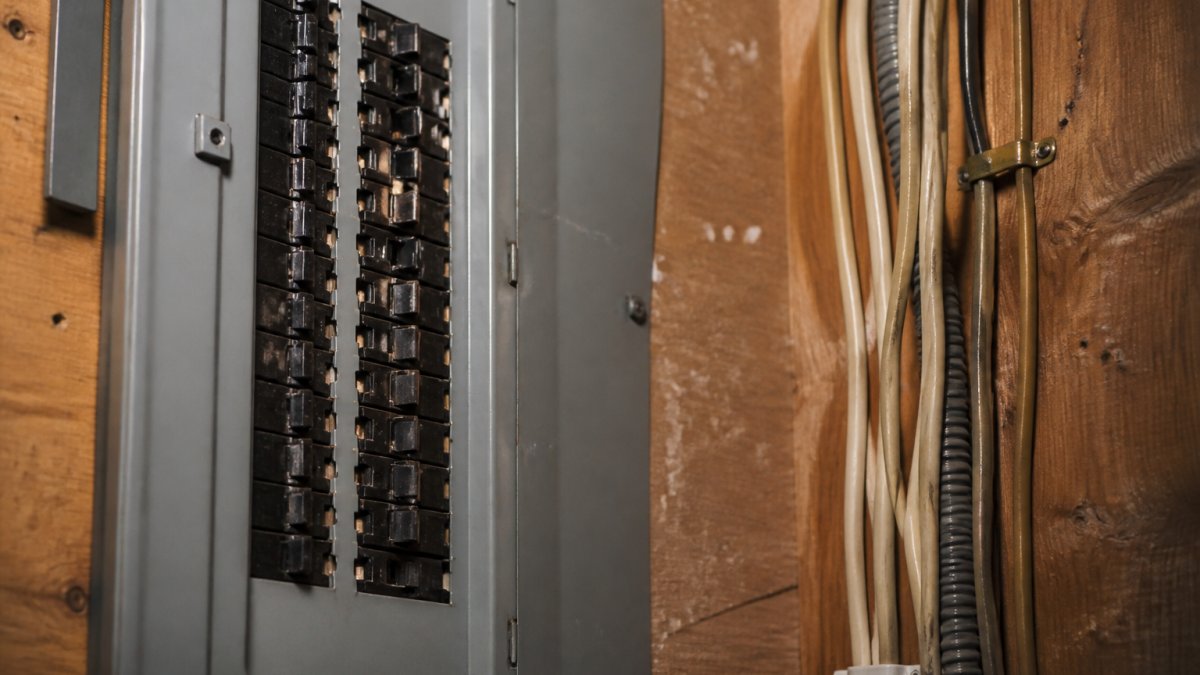
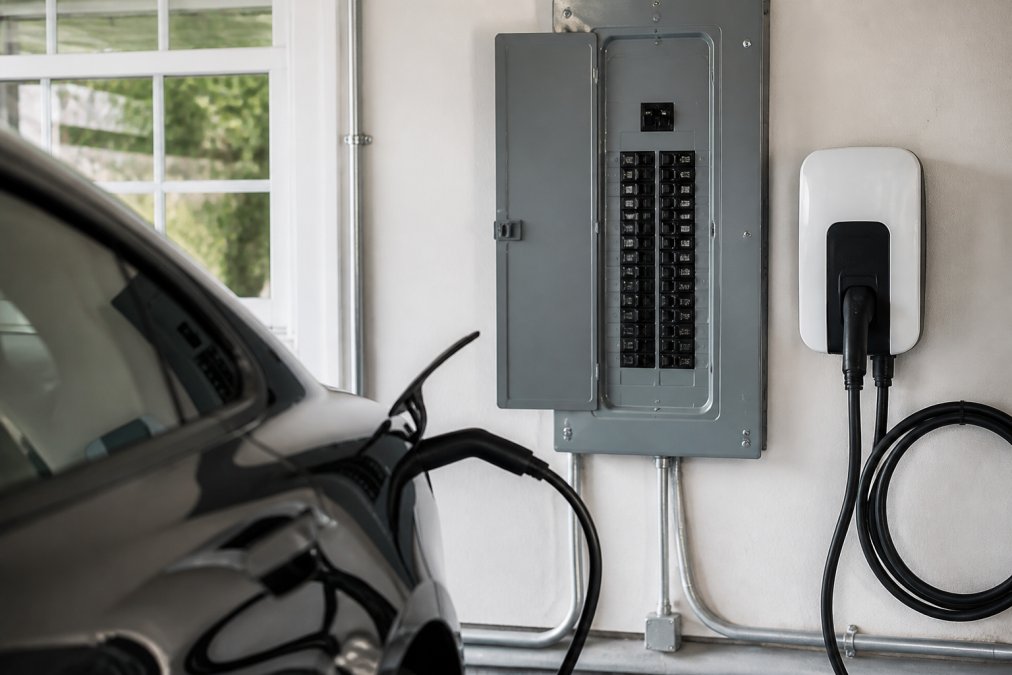
The fastest way to find out if your panel ev charger setup is ready is to check two things: the main breaker amperage and the number of open breaker slots. That check takes about five minutes and tells you whether you need an electrician or a whole service upgrade.
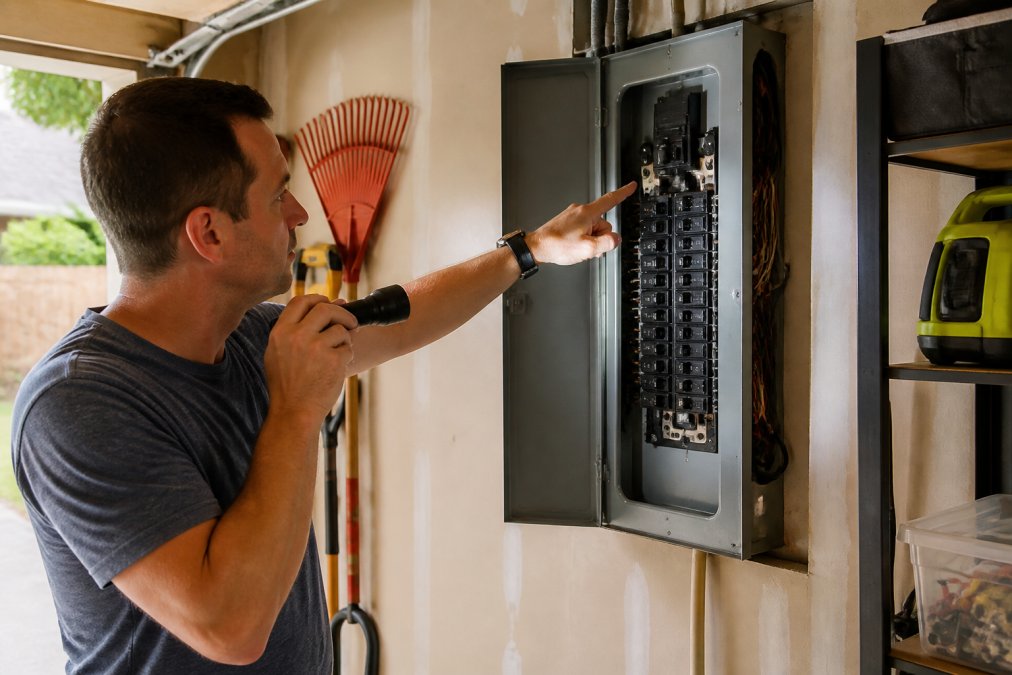
Check the Main Breaker Amperage
Find the largest breaker at the top or bottom of the panel. It will have a number printed on it: 100, 150, or 200. That number is your service size.
Count Your Open Breaker Slots
A Level 2 charger needs a dedicated 240-volt circuit, which means two open slots side by side. Count them.
- Two open slots together: good sign, you may be ready
- Two open slots apart: not usable for a double-pole breaker
- No open slots: you need a subpanel or a service upgrade
Electrical Panel Load Calculation: The Math Behind the Answer
An electrical load calculation is the official method for deciding whether your panel can carry one more big appliance. It adds up the square footage of your home, your large appliances, and your new charger, then compares the total to your service capacity.
Here is what goes into it:
- General lighting load based on square footage
- Fixed appliances like the range, water heater, and dryer
- Your new EV charger's continuous draw
- A safety margin for everything running at once
The 80% Rule: Why Your Breaker Is Smaller Than You Think
EV charging is a continuous load, meaning it runs at full current for three hours or more. The code treats continuous loads differently from a microwave or a lamp. A breaker is only allowed to carry 80% of its rating continuously.
- A 40-amp breaker carries a maximum of 32 amps continuously
- A 50-amp breaker carries a maximum of 40 amps continuously
- A 60-amp breaker carries a maximum of 48 amps continuously
Sizing the Circuit to the Charger
Work backward from the charger, not forward from the panel:
- Find the charger's rated output current (commonly 32, 40, or 48 amps).
- Multiply by 1.25 to get the minimum circuit rating (the inverse of the 80% rule).
- Round up to the next standard breaker size.
Why Amperage Alone Does Not Answer the Question
Most Level 2 chargers pull 32 to 48 amps continuously. That is a large load. A 48-amp charger on a 60-amp breaker can push a 100-amp panel past its limit once the oven and dryer are on.
100-Amp vs 200-Amp Service: What Your EV Actually Needs
A 200-amp service is the practical standard for EV charging today. A 100-amp service can work, but only with careful load management or a smaller charger.
| Service Size | EV Charging Outlook | Best For |
|---|---|---|
| 100-amp | Limited; needs load management | Older homes, low-use drivers |
| 150-amp | Workable with a 32-amp charger | Mid-size homes |
| 200-amp | Comfortable for most chargers | New builds, two-car households |
Level 2 Charger vs Wall Outlet: Why One Demands a Dedicated Circuit
The choice between a Level 2 charger and a wall outlet comes down to speed and circuit requirements. A standard 120-volt outlet adds a few miles of range per hour. A Level 2 charger adds 25 to 40 miles per hour.
Charging Speed and Circuit Sizing
Charging speed tracks the circuit size. A 40-amp circuit supports a 32-amp charger. A 60-amp circuit supports a 48-amp charger.
- 32-amp charger: about 25 miles of range per hour
- 40-amp charger: about 30 miles per hour
- 48-amp charger: about 37 miles per hour
The Workaround Most Guides Skip: Load Management
Here is the part the standard comparison leaves out. You do not always need a bigger panel to run a Level 2 charger. A load management device can make a 100-amp service work with a full-size charger.
How Other Appliances Compete for the Same Capacity
Load management only makes sense once you understand what else is drawing power. The appliances that matter most are the ones that run at the same time as your charger, which is usually overnight:
- Electric water heater: often cycles on overnight, directly overlapping with charging
- Electric dryer: frequently run in the evening
- Central air conditioning: a heavy summer load that can run late into the night
- Electric range or induction cooktop: high draw during dinner hours
- Electric space heaters: common in winter and easy to forget
When a Wall Outlet Is Actually Enough
A wall outlet is not always a compromise. If you drive fewer than 40 miles a day and can plug in by early evening, a standard 120-volt outlet may cover your commute. The trade-off is that a depleted battery can take a full day or more to refill, so it only works if you rarely arrive home near empty.
Signs Your Panel Needs an Upgrade Before You Install a Charger
Several warning signs point to an upgrade being the right move. Watch for these before you buy a charger.
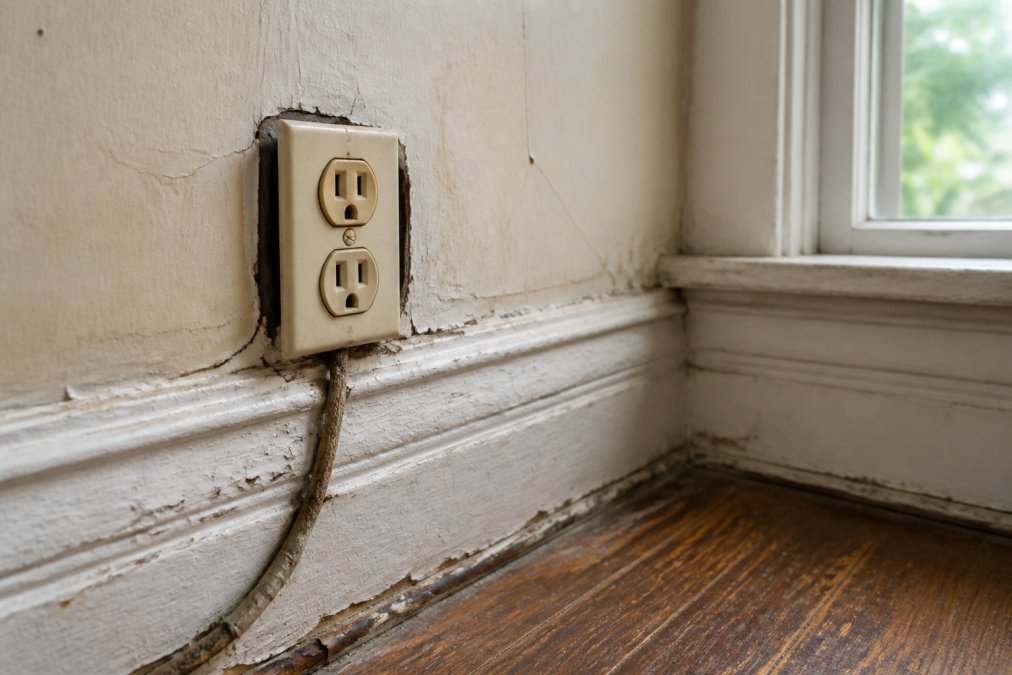
- Fuses instead of breakers: a sign of an old panel near the end of its life
- Rust or scorch marks: corrosion or heat damage inside the panel
- A 60-amp or 100-amp service: too small for most modern loads
- No open slots: nowhere to add a double-pole breaker
- Flickering lights: a sign the panel is already strained
- A recalled panel brand: some older panels are known fire risks
Cost of Electrical Panel Upgrade: What Affects Your Quote
The cost of an electrical panel upgrade depends on several factors, not one flat number. Every home is different, so pricing depends on your service size, wiring, and location.
Here is what drives the quote:
- Service size: moving from 100 to 200 amps costs more than a same-size replacement
- Meter and service entrance: older setups often need new hardware
- Permits and inspection: required by most jurisdictions
- Wall repair: opening and closing drywall adds labor
- Distance to the garage: a long run of heavy wire costs more
- Panel type: smart panels cost more than standard ones
Smart Panels and Load Management: EV Charger Ready Without a Full Upgrade
The trade-off is real. Load management adds a device and some complexity. But it can save you the cost and disruption of a full upgrade.
When to Call a Licensed Electrician for Your EV Charger Installation
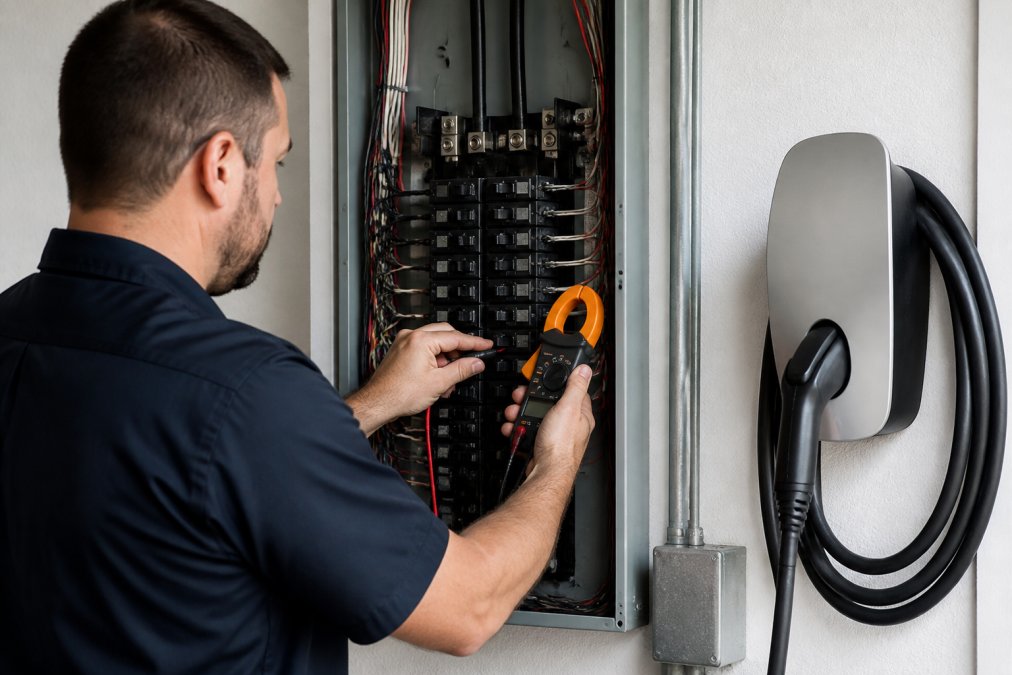
Call a licensed electrician before you buy a charger, not after. The load calculation, the permit, and the wiring all need a professional, and getting the order right saves money.
A licensed electrician will:
- Run the load calculation on your panel
- Confirm whether you need an upgrade or load management
- Pull the permit and schedule the inspection
- Size the circuit to your charger
- Install the charger and test it under load
Frequently Asked Questions
How do I know if my electric panel can handle an EV charger?
Check three things: your main breaker amperage, open breaker slots, and total household load. A 200-amp panel with two open slots usually works. A 100-amp panel with a full breaker row likely needs an upgrade or a load management device. The only way to know for certain is an electrical panel load calculation performed by a licensed electrician, who will compare your home's demand against the National Electrical Code requirements for a dedicated EV circuit.
Do I need to upgrade my panel for an EV charger?
Not always. If your electrical panel load calculation shows enough spare capacity, you may only need a new dedicated circuit. If your panel is 100-amp service, already near capacity, or has no open slots, an upgrade to 200-amp service is often the safer choice. A smart panel or load management device can sometimes avoid a full upgrade by pausing the charger when other high-draw appliances run.
What is the 80% rule for EV charging?
The National Electrical Code treats EV charging as a continuous load, meaning it runs for three hours or more. Continuous loads must not exceed 80% of a circuit's rating. A 40-amp charger needs a 50-amp circuit. A 48-amp hardwired charger needs a 60-amp circuit. This rule also applies to your overall panel capacity: your total load should stay under 80% of your service amperage to avoid nuisance tripping and overheating.
Can I install a Level 2 charger on a 100-amp panel?
Sometimes, but it depends on your home's existing load. A 100-amp service with gas heating, gas cooking, and no other large electric appliances may have room for a 32-amp or 40-amp charger circuit. If you have electric ranges, electric water heaters, or central air, the load calculation will likely show insufficient capacity. In that case, a load management device or a service upgrade to 200-amp service is the practical path forward.
Your panel may be closer to EV charger ready than you think, or it may need an upgrade first. Either way, the answer starts with a proper load calculation, not a guess. EmergenServe brings licensed, bonded, and insured electricians to your door, with same-day booking, 24/7 emergency availability, and a 60-minute emergency response. Get started with EmergenServe and install your EV charger the right way the first time.