 ultimate-guide
Signs Your Electrical Panel Is a Fire Hazard
Table of Contents
- Why Electrical Panel Safety Matters
- Burning Smells and Ozone Odors Near Your Panel
- Breakers That Trip Frequently or Won't Reset
- Visible Corrosion, Rust, and Charring on Components
- Is Federal Pacific Panel Safe? Understanding Outdated and Recalled Brands
- Hot Surfaces, Buzzing Sounds, and Flickering Lights
- Signs of a Bad Circuit Breaker and Arcing Issues
- How Often Should Electrical Panels Be Replaced and When to Act
- Frequently Asked Questions
Last Updated: September 28, 2026
Why Electrical Panel Safety Matters
Your electrical panel is the nerve center of your home's power system. When it fails, the consequences range from outages to catastrophic fires. The National Fire Protection Association reports that electrical failures account for a significant portion of home fires annually, many originating in outdated or deteriorating panels.
Signs your electrical panel is a fire hazard aren't always obvious. A panel that looks fine on the surface might be quietly degrading inside, creating dangerous conditions that could ignite without warning. You might notice a burning smell, warm surface, or breakers that won't reset, don't dismiss these as normal.
This guide walks you through the warning signs that demand immediate professional attention, helping you identify hazards before they become disasters.
Burning Smells and Ozone Odors Near Your Panel
A burning smell from your electrical panel indicates overheating components, arcing, or insulation breakdown. Whether acrid, sharp, or like melting plastic, all demand urgent action.
Ozone scent is another warning sign. When electrical arcing occurs, it produces a distinctive sharp, metallic smell similar to air after a lightning strike. If you detect this, call for emergency service immediately.
Burning smells indicate electrical components are reaching unsafe temperatures. Insulation is breaking down, wiring is overheating, or loose connections are creating heat pockets that can ignite surrounding materials.
What you should do: Never ignore burning or ozone smells near your panel. Ventilate the area immediately, avoid using high-amperage appliances, and contact a licensed electrician right away.
Breakers That Trip Frequently or Won't Reset
Breakers trip to protect your home from overload or short circuits. When they trip constantly or refuse to reset, your panel is overloaded, experiencing internal faults, or dealing with a dangerous short circuit.
A breaker that won't reset is particularly concerning, the breaker is damaged or the fault is still active. Forcing it back on bypasses the safety mechanism. Don't attempt this yourself; it's a job for a professional.
Causes vary: your home's electrical load may have grown beyond what the panel can handle, or there could be a short circuit, ground fault, or failing breaker. Signs your electrical panel is a fire hazard include breakers that behave abnormally.
What you should do: Document which breaker trips and when, during simultaneous high-load use or randomly. This helps a technician diagnose faster. Don't bypass or repeatedly reset a faulty breaker; this creates heat and increases fire risk.
Visible Corrosion, Rust, and Charring on Components
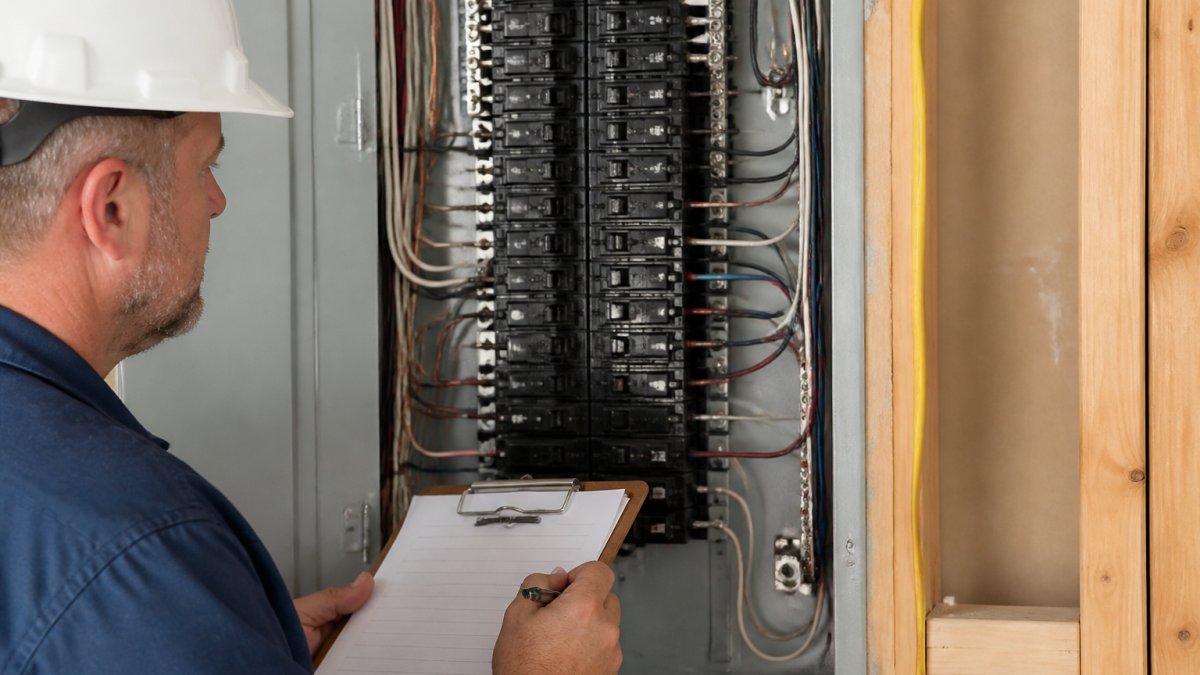
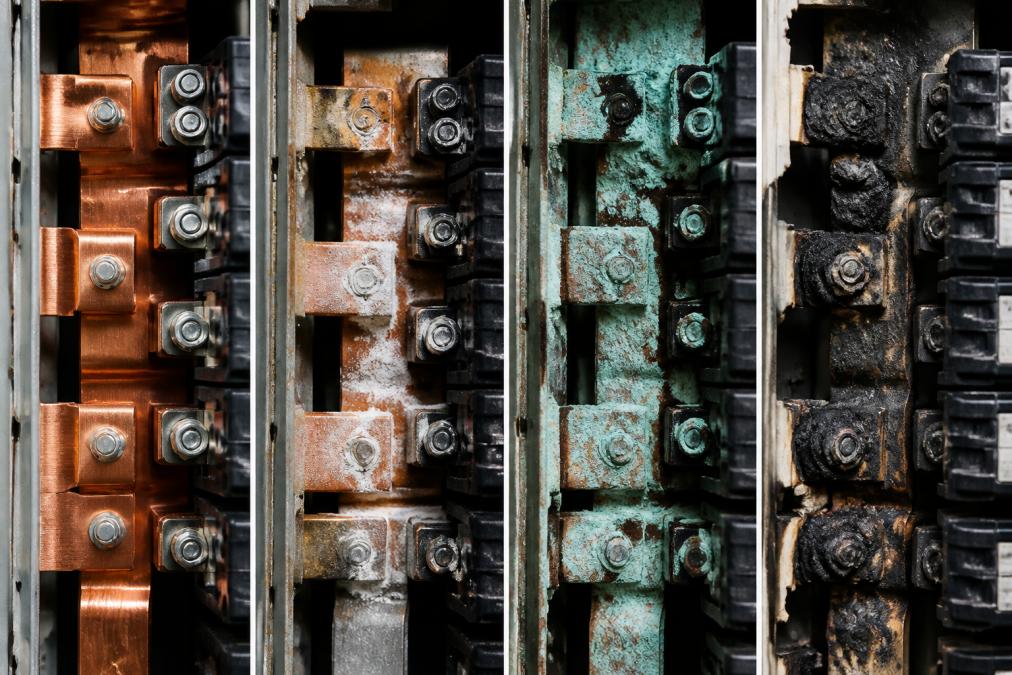
Open your panel's door and look inside. Corrosion and rust indicate moisture exposure and electrical degradation. Rust increases electrical resistance, causes voltage drops, and generates heat that can ignite nearby materials.
Understanding the visual signs:
Corrosion appears as white, green, or blue-gray deposits on copper and aluminum components. This oxidation layer interferes with electrical connections, forcing current to work harder and generating excess heat. In humid or coastal climates, corrosion accelerates rapidly.
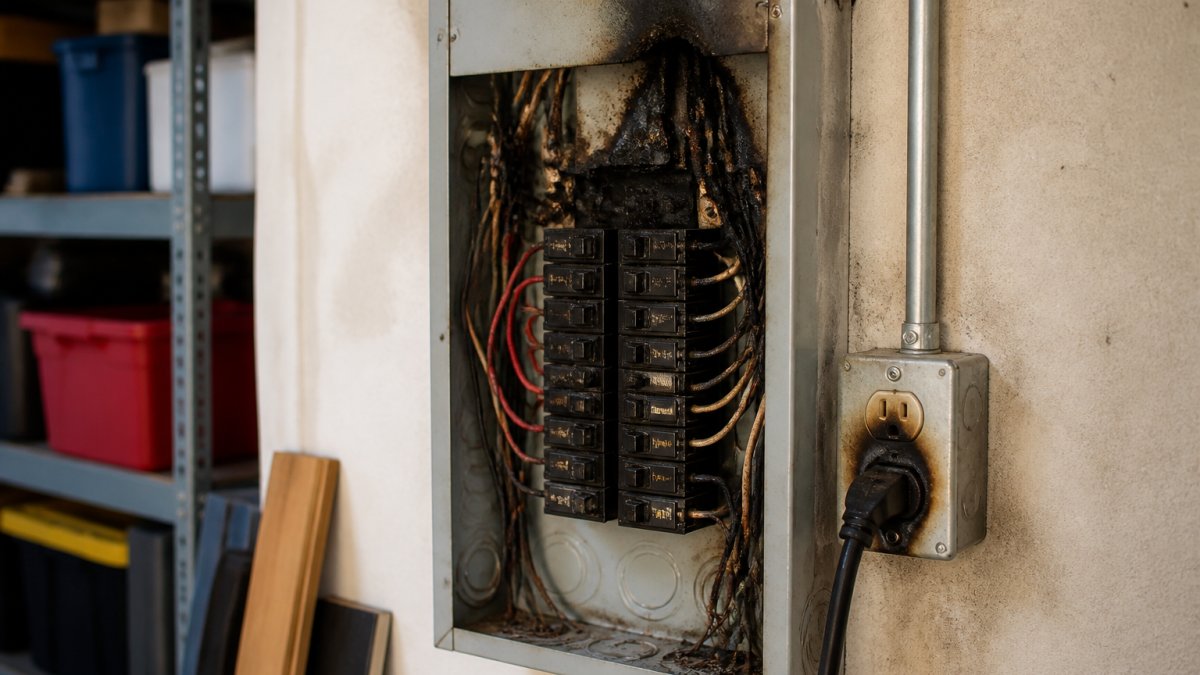
Charring or burn marks on breakers, bus bars, or wiring insulation are unmistakable danger signs. These dark, scorched areas show that arcing or severe overheating has occurred and insulation is compromised. Look for:
- Black or brown discoloration on breaker terminals or bus bars (the thick copper strips that distribute power)
- Pitting or pockmarking on metal surfaces, indicating material loss from arcing
- Melted or warped plastic on breaker handles or insulation sleeves
- White or crystalline buildup around connection points (salt-based corrosion, common in coastal regions)
- Greenish tint on copper components (verdigris, a sign of prolonged moisture exposure)
Why corrosion is a fire hazard:
Corroded connections force electrical current to concentrate at smaller contact points, generating localized heat exceeding 400 degrees Fahrenheit. This heat degrades insulation, creates arcing, and can ignite dust, debris, or the panel enclosure. Charring indicates arcing has already occurred and insulation is weakened.
Environmental factors that accelerate corrosion:
- Humidity above 60%: Basements and humid climates are high-risk
- Coastal proximity: Salt air accelerates oxidation
- Temperature cycling: Expansion and contraction opens gaps where moisture enters
- Poor ventilation: Sealed, unventilated spaces trap moisture
- Age: Panels over 30 years old are more susceptible due to seal degradation
What you should do:
Don't try to clean corrosion yourself, the main breaker doesn't fully de-energize the panel, and moisture increases shock risk. Have a licensed electrician inspect and determine whether components need replacement or the entire panel should be upgraded. Corrosion visible on the outside usually means more damage exists inside; replacement is often safer than piecemeal repair.
Is Federal Pacific Panel Safe? Understanding Outdated and Recalled Brands
Federal Pacific Electric (FPE) panels, particularly the Stab-Lok model, have a well-documented history of safety issues. Stab-Lok breakers fail to trip properly during overloads and short circuits, allowing dangerous current to flow unchecked.
Zinsco and other outdated panels are prone to breaker failure and internal arcing. Insurance companies increasingly refuse to insure homes with these panels, and lenders often require replacement before closing.
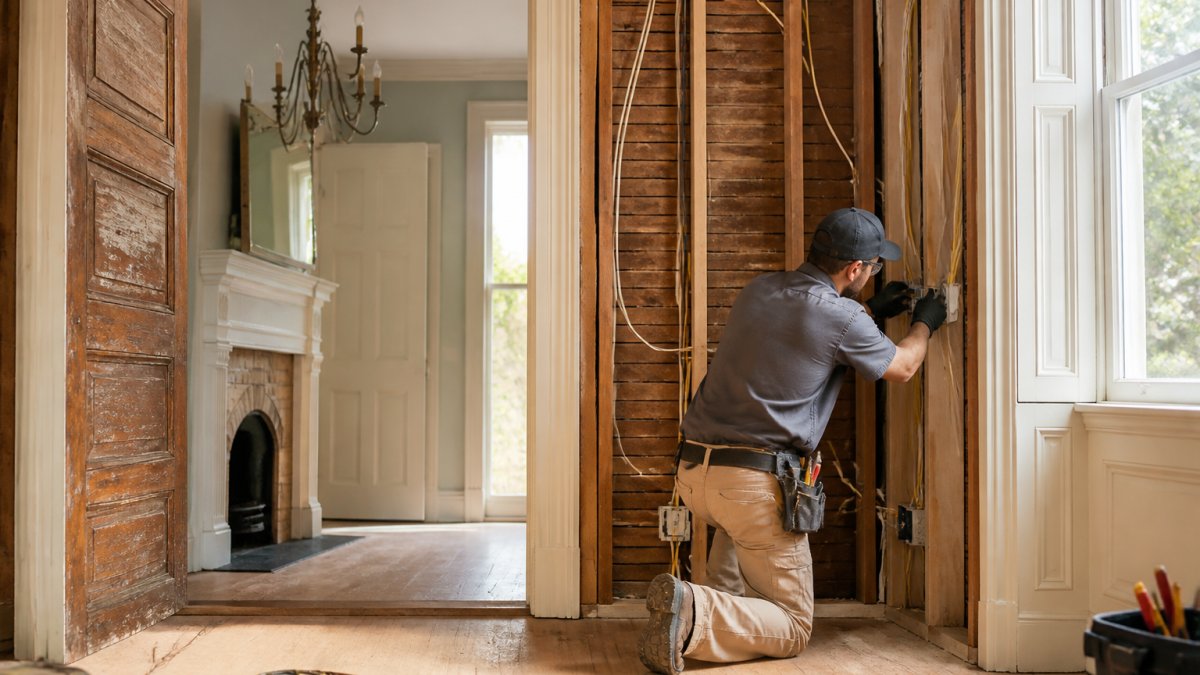
Older panels face compounded risks: corrosion, loose connections, and component degradation compound original design flaws. Even if a 50-year-old panel hasn't failed, the risk window is closing.
What you should do: If your home has a Federal Pacific, Zinsco, or similarly outdated panel, prioritize replacement. Contact a licensed electrician to assess the panel's current condition and recommend an upgrade timeline.
Hot Surfaces, Buzzing Sounds, and Flickering Lights
Your electrical panel should be cool to the touch. If it feels warm or hot, something inside is generating excess heat, overloading, loose connections, arcing, or component failure. A hot panel is a fire hazard in progress.
Buzzing or humming sounds suggest arcing or loose components. Normal panels are quiet. Any audible sound means electrical current is jumping across gaps, creating heat and potentially igniting nearby materials.
Flickering lights point to voltage instability from a failing main breaker, loose service connections, or a degrading panel. This stresses appliances and indicates an underlying electrical problem.
What you should do: If your panel is hot, turn off non-essential circuits and call for emergency service. If you hear buzzing, avoid touching the panel and schedule professional inspection immediately. Flickering lights warrant a full electrical system evaluation.
Signs of a Bad Circuit Breaker and Arcing Issues
A bad circuit breaker won't trip when it should, trips when it shouldn't, or won't reset. Some develop internal arcing, electricity jumping across gaps inside the breaker mechanism, generating heat and potentially igniting the surrounding panel.
Arcing produces distinctive signs: burn marks on the breaker or bus bar, burning plastic or ozone smell, and charring or discoloration on multiple components.
A single bad breaker compromises your entire electrical system.
How Often Should Electrical Panels Be Replaced and When to Act
How often should electrical panels be replaced? Most modern panels last 25 to 40 years with proper maintenance, though this varies based on usage, environmental conditions, and original quality.
Insurance and liability implications:
Modern electrical load and smart home overload:
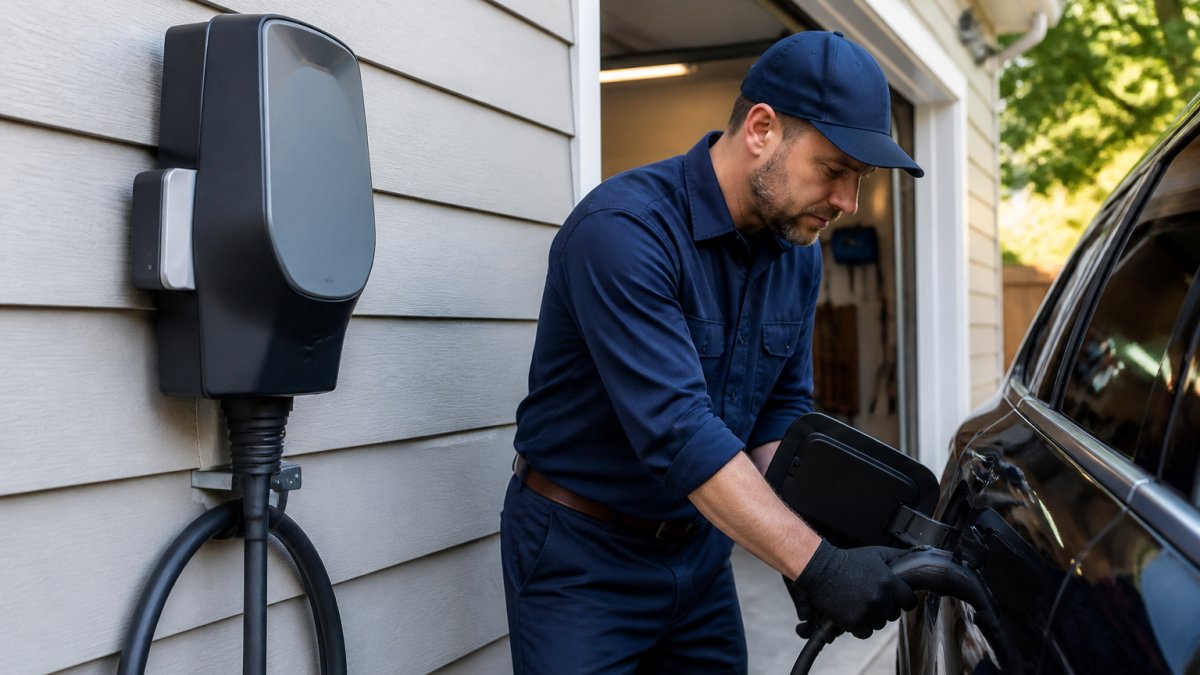
- Electric vehicle chargers: A Level 2 EV charger draws 30-50 amps continuously during charging. A Level 3 DC fast charger can exceed 200 amps.
- Heat pumps: Modern heat pump systems for heating and cooling draw 30-60 amps, significantly more than older air conditioning units.
- Smart home devices: WiFi-enabled thermostats, security systems, smart lighting, and home automation systems add continuous low-level loads.
- Induction cooktops: Require 40-50 amps, compared to 20-30 amps for traditional electric ranges.
- Whole-home backup generators: Require dedicated 100+ amp circuits.
- Home office and entertainment: Multiple computers, monitors, and streaming devices running simultaneously.
Situations that demand immediate action:
- Recalled panel brands: Federal Pacific (Stab-Lok), Zinsco, Pushmatic, or other known-hazard models require urgent replacement, regardless of apparent condition.
- Visible damage: Burning smells, charring, corrosion, hot surfaces, or buzzing sounds mean professional inspection and likely replacement within days, not weeks.
- Frequent breaker trips: If breakers trip multiple times per week, the panel is overloaded or failing. This is a fire hazard in progress.
- Insurance requirements: If your insurer has flagged the panel or threatened non-renewal, replacement is mandatory.
- Planned major upgrades: Adding EV charging, heat pump systems, or significant electrical capacity requires a panel assessment and likely replacement.
- Home purchase or sale: A professional electrical inspection is standard. If it flags the panel, replacement before closing protects your investment and liability.
- Age + environmental stress: A panel over 40 years old in a humid or coastal climate should be professionally evaluated. Replacement is often recommended as preventive maintenance.
What you should do:
Frequently Asked Questions
What are the most common signs your electrical panel is a fire hazard?
The most critical warning signs include a burning plastic smell near the panel, breakers that trip frequently or won't stay on, visible rust or corrosion on components, surfaces that are hot to the touch, buzzing or humming sounds, and flickering lights throughout your home. If your panel is an outdated or recalled brand like Federal Pacific, that's an additional red flag. Any combination of these signs warrants immediate professional inspection to assess fire risk.
Is Federal Pacific panel safe for my home?
Federal Pacific panels manufactured before the 1980s have a documented history of breaker failure and overheating, making them a significant fire hazard. The Consumer Product Safety Commission identified serious defects in these units. If your home has an FPE (Federal Pacific Electric) panel, professional replacement is strongly recommended. Modern panels meet current safety standards and include better protection against arcing and thermal damage.
How often should electrical panels be replaced?
Most electrical panels are designed to last 25 to 40 years with proper maintenance. However, replacement should not be based solely on age. If your panel shows signs of overheating, corrosion, loose connections, or frequent breaker trips before that timeframe, it needs professional evaluation. Panels in older homes or those with outdated switchgear should be inspected regularly, especially if you've added significant electrical load from appliances, EV chargers, or renovations.
What should I do if I suspect my electrical panel is a fire hazard?
First, avoid opening or touching the panel yourself. Contact a licensed electrician immediately for a professional inspection. Do not ignore warning signs like burning smells, hot surfaces, or tripping breakers. If you smell burning plastic or see sparks, turn off the main breaker if safe to do so and call emergency services. A licensed professional can assess whether repairs, component replacement, or full panel replacement is necessary to eliminate the fire risk.