 ultimate-guide
Charleston Electrical Wiring Code Compliance Guide
Table of Contents
- Understanding Charleston Electrical Wiring Code Requirements
- North Charleston Electrical Permits and Inspections
- Electrical Wiring Inspection Checklist for Homeowners
- Common Residential Electrical Code Violations
- Electrical Panel Upgrade Code Compliance
- Hiring Licensed Electricians for Code-Compliant Work
- Addressing Code Violations and Next Steps
- Frequently Asked Questions
Last Updated: October 7, 2026
Understanding Charleston Electrical Wiring Code Requirements
Electrical wiring code compliance is the foundation of safe residential and commercial electrical systems. In North Charleston and throughout the Lowcountry region, all electrical installations must adhere to the National Electrical Code (NEC), which is adopted and enforced at the local level through municipal ordinances and the South Carolina Electrical Board's regulations.
The NEC is updated every three years and sets minimum safety standards for electrical design, installation, and inspection. North Charleston has incorporated these standards into its local building codes, which means any electrical work, whether new construction, renovation, or repair, must meet current NEC requirements.
Understanding these requirements matters because outdated wiring, improper grounding, and code violations create genuine safety risks. A home built in the 1950s with original wiring faces different compliance challenges than a 2020s renovation. The good news is that professional electricians licensed in North Charleston understand these nuances and can guide you through exactly what your property needs.
North Charleston Electrical Permits and Inspections
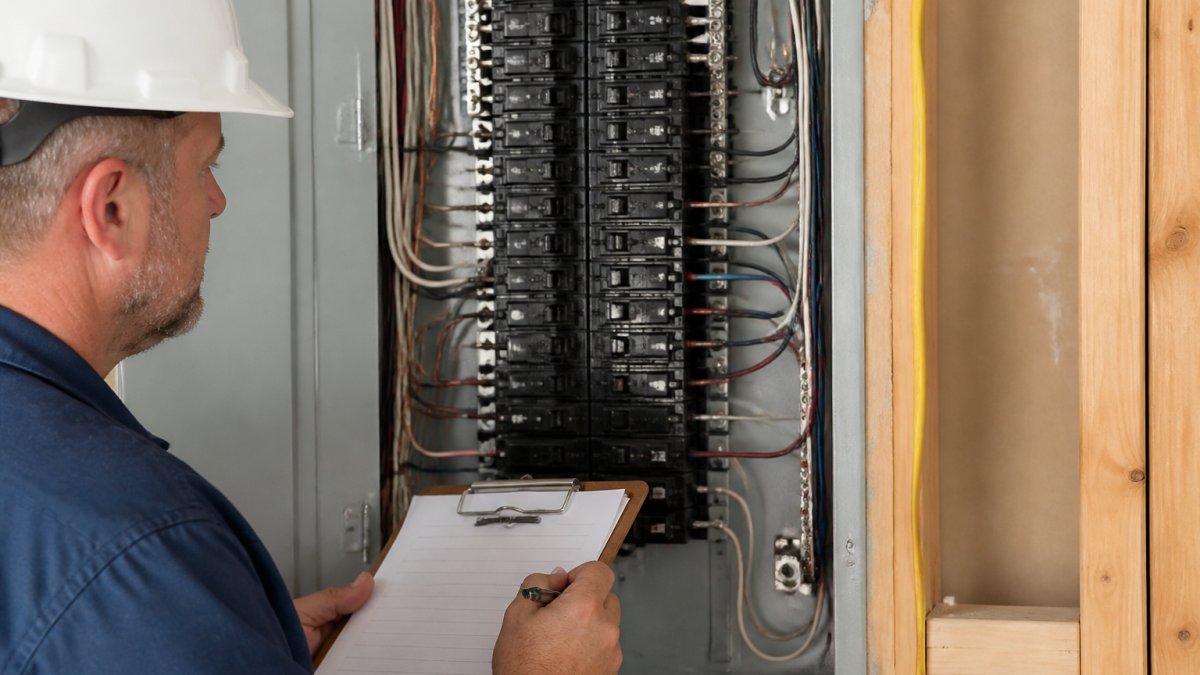
Permits and inspections exist for one reason: to verify that electrical work meets safety standards before it's hidden behind walls or covered by drywall. In North Charleston, the permitting process is managed through the City's Building Department, and it applies to most electrical projects beyond routine maintenance.
When Permits Are Required
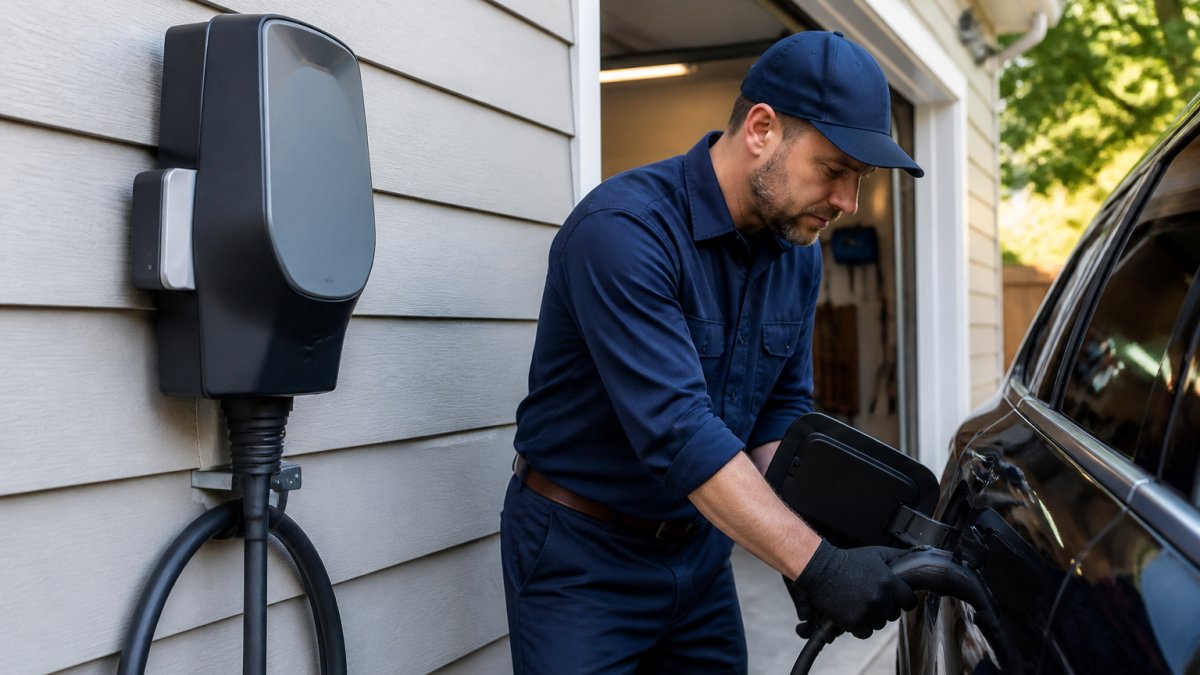
Electrical permits are required for new installations, upgrades, and significant repairs. This includes panel replacements, new circuit additions, major rewiring projects, and installation of permanent fixtures like EV chargers or generators. Routine maintenance, replacing outlets, switches, or light fixtures, typically doesn't require a permit. However, if you're uncertain whether your project needs one, it's always safer to ask. Pulling a permit when one isn't strictly required costs less than facing fines or complications during a property sale.
The Inspection Process
Once a permit is issued, the work must pass inspection before completion. An inspector will verify that the installation follows the NEC and local codes. This includes checking wire gauges, grounding systems, circuit breaker sizing, and proper installation techniques. The inspection protects both you and future owners by ensuring the work is done correctly.
Most electrical projects require at least one inspection, though larger jobs may need multiple inspections at different stages. Inspectors look for common issues: improper wire connections, missing ground fault circuit interrupter (GFCI) protection in wet areas, overcrowded junction boxes, and inadequate grounding. If violations are found, the contractor must correct them before the project is approved.
Electrical Wiring Inspection Checklist for Homeowners
A thorough electrical wiring inspection checklist helps identify potential code violations and safety hazards before they become expensive problems.
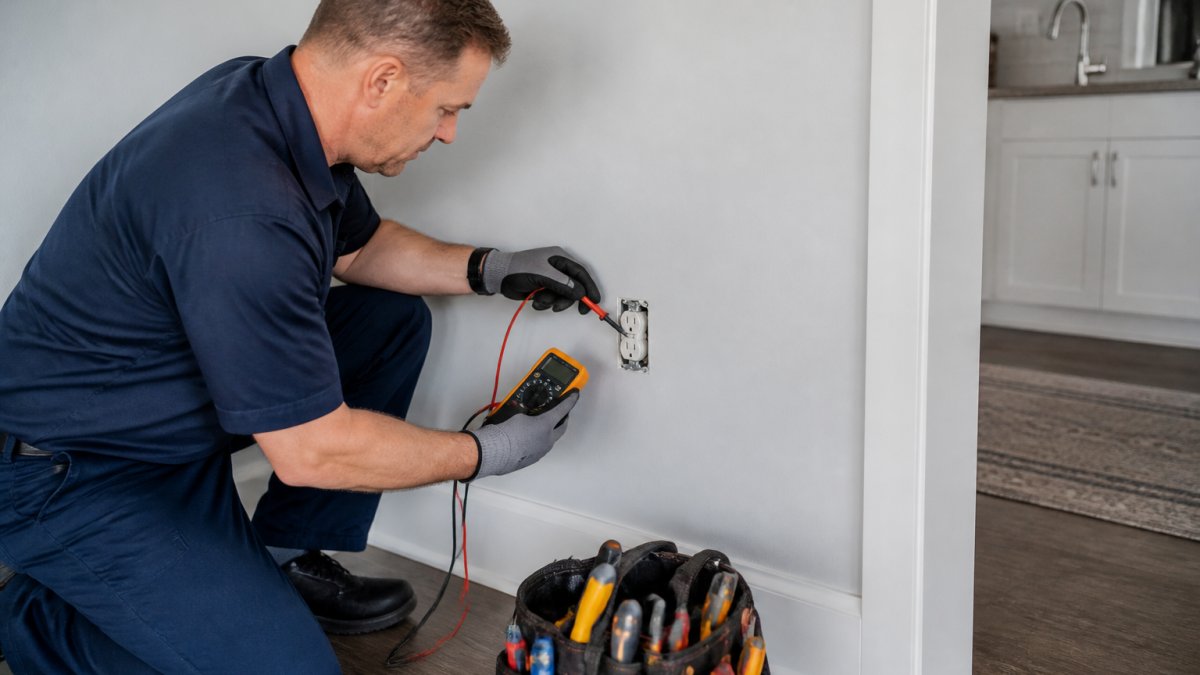
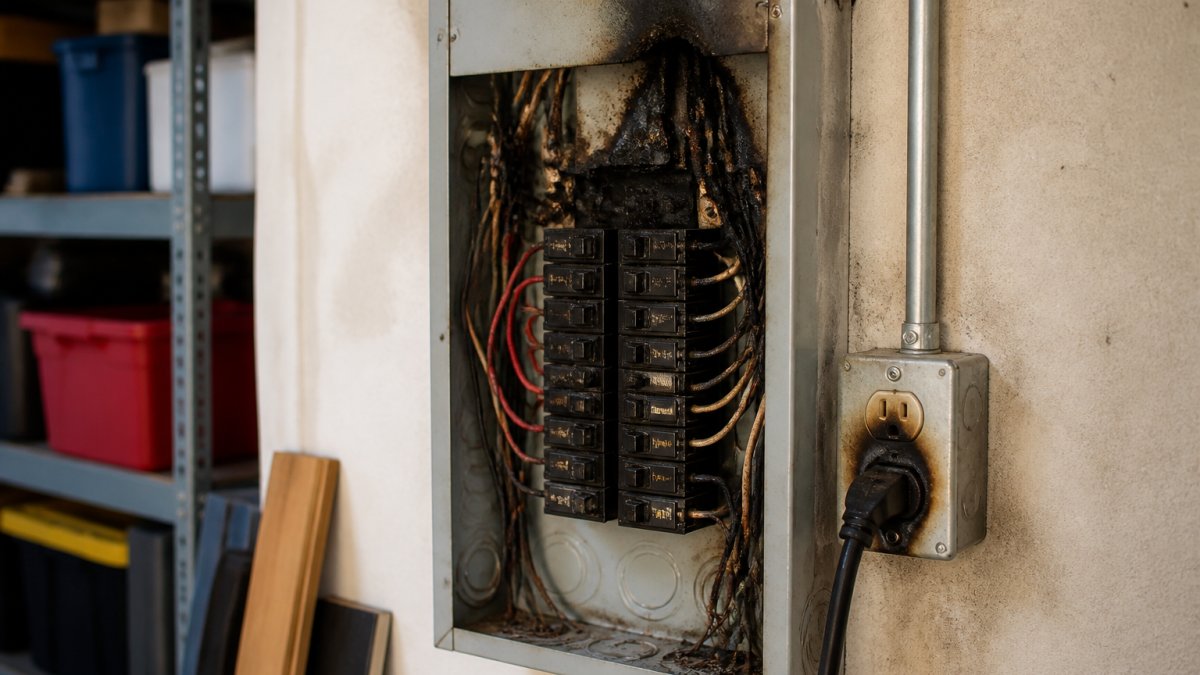
Start by examining your electrical panel. Look for signs of corrosion, burn marks, or loose connections. The main breaker should be clearly labeled, and the panel should have no exposed wiring.
Next, inspect outlets and switches throughout the home. GFCI outlets should be present in kitchens, bathrooms, garages, and outdoor areas. Test them by pressing the "test" button; the outlet should lose power.
Examine visible wiring for damage. Look for frayed insulation, crushed cables, or wires run through areas where they could be damaged by nails or tools.
Check for proper grounding. Three-prong outlets should be present in most areas, and metal conduit or properly grounded boxes should protect exposed wiring.
Document any concerns with photos and notes. This information is valuable when you contact a professional electrician for evaluation.
Common Residential Electrical Code Violations
Understanding typical code violations helps you recognize problems before they escalate. Many older homes in North Charleston have systems that worked decades ago but no longer meet current electrical wiring code compliance standards.
Outdated Wiring and Panel Issues
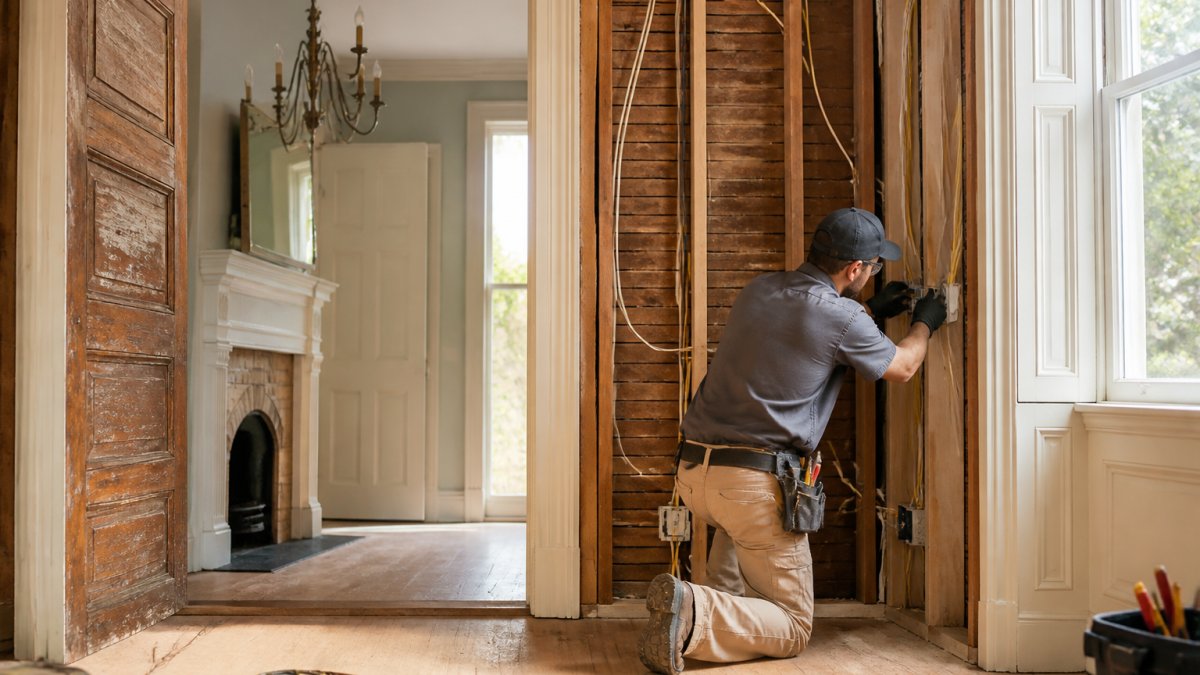
Homes built before 1960 often have knob-and-tube wiring, a system that relied on ceramic knobs and tubes to support individual conductors. This wiring has no ground conductor and deteriorates over time, creating fire and shock hazards. Modern code requires grounded, insulated conductors in protective conduit or cable.
Fuse panels are another sign of outdated systems. While fuses work, they don't provide the flexibility and protection of modern circuit breakers. If your home still has a fuse panel and you're experiencing frequent blown fuses, it's a signal that your electrical system is overloaded or aging.
Undersized panels are common in older homes. A 60-amp or 100-amp service that was adequate in 1980 cannot safely handle the electrical demands of modern households with air conditioning, electric heating, multiple appliances, and EV charging. Code requires that panel capacity match the home's actual load demands.
Improper Grounding and Bonding
Grounding is the system that directs dangerous fault currents safely into the earth. Without proper grounding, electrical faults can energize metal fixtures and create shock hazards. Common violations include missing ground rods, improper bonding of metal water pipes and gas lines, and grounding conductors that are too small for the circuit they protect.
Two-prong outlets in kitchens and bathrooms are a code violation. These areas have high moisture and require GFCI protection or three-prong grounded outlets. Ungrounded outlets in wet areas significantly increase the risk of electrical shock.
Overloaded Circuits and Missing GFCI Protection
A circuit breaker that trips repeatedly is telling you something is wrong. It might be overloaded, or there might be a fault in the wiring. Either way, the breaker is doing its job by shutting down the circuit before a fire starts. Ignoring this and replacing a breaker with a larger one is dangerous and violates code.
GFCI protection is required by code in kitchens, bathrooms, garages, outdoor outlets, and any area where moisture is present. GFCI devices detect ground faults, when electricity takes an unintended path to ground, and shut off power in milliseconds, preventing serious injury. Missing GFCI protection in these areas is a direct code violation.
Electrical Panel Upgrade Code Compliance
An electrical panel upgrade is one of the most important investments in electrical wiring code compliance. If your home still has a 60-amp or 100-amp service, or if your panel is aging and showing signs of wear, an upgrade brings your system into compliance with modern code while providing the capacity your home needs.
Modern panels typically range from 100 to 200 amps, depending on the home's size and electrical demands. A 200-amp service is now considered the minimum for new construction and major renovations. The upgrade process involves installing a new main breaker, new branch circuit breakers, and properly sized conductors from the utility meter.
Code requires that all work be permitted and inspected. The inspector verifies that the main breaker is properly sized, that grounding is adequate, that all conductors are properly supported and protected, and that the panel is accessible and clearly labeled. A code-compliant panel upgrade ensures that your electrical system can safely handle your home's demands for decades to come.
Hiring Licensed Electricians for Code-Compliant Work
The most reliable way to ensure electrical wiring code compliance is to hire a licensed electrician. In South Carolina, electricians must be licensed by the state, and they carry the responsibility for ensuring that their work meets code. A licensed electrician knows the current NEC, understands North Charleston's local amendments, and will pull permits and arrange inspections as required.
When you contact an electrician, ask about their licensing and insurance. Request references from recent projects in the North Charleston area. Ask specifically about their experience with code compliance and older homes if that applies to your situation. A reputable electrician will be transparent about what code requires and why certain upgrades are necessary.
EmergenServe, a family-owned electrical contractor serving the Charleston Lowcountry, brings licensed, bonded, and insured expertise to residential and commercial electrical projects. The team understands North Charleston's electrical codes and the specific challenges of Lowcountry properties, from historic homes with original wiring to modern constructions requiring EV charger installations.
Addressing Code Violations and Next Steps
If an inspection reveals code violations, don't panic. Most violations can be corrected, and many are straightforward fixes. A missing GFCI outlet can be installed in hours. Improper grounding can be corrected by adding a ground rod and bonding conductor. Overloaded circuits can be addressed by redistributing loads or adding new circuits.
Start by getting a professional evaluation. A licensed electrician can assess the severity of violations, explain what code requires, and provide a detailed estimate for corrections. Some violations are urgent safety issues that need immediate attention. Others can be addressed as part of a longer-term upgrade plan.
Document everything. Keep copies of permits, inspection reports, and work orders. This documentation is valuable for insurance claims, property sales, and future reference. It also proves that work was done correctly by licensed professionals.
Electrical systems that don't meet code create ongoing safety risks and can complicate property sales or insurance claims. Addressing code violations now prevents expensive problems later.
Frequently Asked Questions
What electrical code applies to homes in Charleston, South Carolina?
Charleston follows the National Electrical Code (NEC), adopted and enforced by the city and county building departments. The NEC is updated every three years and sets the standard for safe electrical design, installation, and maintenance. Local amendments may apply, so it's essential to verify current requirements with your local building inspector before starting any electrical project. Licensed electricians stay current with these codes to ensure compliant installations.
Do I need a permit to replace or upgrade electrical wiring in North Charleston?
Yes. Most electrical work in North Charleston requires a permit, including wiring replacements, panel upgrades, new circuits, and major appliance installations. Permits ensure work meets code and receives proper inspection. Minor work like replacing outlets or switches may not require permits, but it's best to check with the building department first. Hiring a licensed electrician ensures permits are obtained and inspections are scheduled correctly.
What are common electrical code violations in older Charleston homes?
Historic homes often have outdated wiring (cloth-insulated or knob-and-tube systems), missing grounding, insufficient circuit capacity, and lack of GFCI protection in bathrooms and kitchens. Aluminum wiring connections can overheat and create fire hazards. Many older homes also have panels rated below current demand. These violations don't necessarily mean immediate danger, but they should be evaluated and upgraded by a licensed electrician to meet current safety standards and code requirements.
Can a homeowner do electrical work in North Charleston, or must it be done by a licensed electrician?
North Charleston requires a licensed electrician for most electrical work. Homeowners may perform minor tasks like replacing outlets or switches in some cases, but any work involving the main panel, new circuits, wiring, or permit-required installations must be done by a licensed professional. Licensed electricians carry insurance and bonding, ensuring work meets code and passes inspection. This protects both your property and your legal liability.
What should I do if an electrical inspection finds a code violation?
First, obtain a detailed written report from the inspector explaining the violation. Then contact a licensed electrician to assess the issue and provide repair options. Some violations are urgent safety concerns (like exposed wiring or missing grounding), while others may be corrected on a timeline. The electrician will obtain necessary permits, complete repairs, and schedule a follow-up inspection. Don't ignore violations, they can affect home sales, insurance claims, and safety.
How do I know if my electrical panel can handle an EV charger installation?
Most EV chargers require 240 volts and draw significant power. Your panel must have available capacity and proper grounding. A licensed electrician can inspect your panel, calculate your home's current load, and determine if an upgrade is needed. Newer homes often have adequate capacity, but older homes may require a panel upgrade. The electrician will handle all permits and inspections to ensure the installation meets code and safely supports your charger.
How do I verify that an electrical contractor is actually licensed and insured in North Charleston?
Ask for proof of licensure and verify it with the South Carolina Department of Labor, Licensing and Regulation (SCDHEC). Request a copy of their insurance certificate and bonding documentation. Check online reviews and the Better Business Bureau for accreditation and ratings. Licensed contractors should carry general liability insurance and workers' compensation. Bonding protects you if the contractor fails to complete work or violates code. Never hire unlicensed electricians, you lose legal recourse and safety guarantees.
What happens if electrical work fails inspection in North Charleston?
If work fails inspection, the contractor must correct the violation at no additional cost and request a re-inspection. The building department will not issue a certificate of compliance until all violations are resolved. This is why hiring a licensed, experienced electrician matters, they know code requirements and complete work correctly the first time. If you've already paid an unlicensed contractor, you have limited recourse. Always use licensed professionals and keep inspection reports for your records.