 ultimate-guide
Rewiring Historic Homes Safely: Charleston Guide
Table of Contents
- Why Rewiring Historic Homes Safely Matters
- Common Electrical Hazards in Historic Charleston Properties
- Historic Home Electrical Inspection Checklist
- Charleston Board of Architectural Review Electrical Guidelines
- Knob and Tube Wiring Replacement Cost in Charleston
- Permits and Code Compliance for Historic Home Rewiring
- Choosing a Qualified Electrician for Historic Rewiring
- Step-by-Step Rewiring Process for Historic Homes
- Frequently Asked Questions
Last Updated: October 1, 2026
Why Rewiring Historic Homes Safely Matters
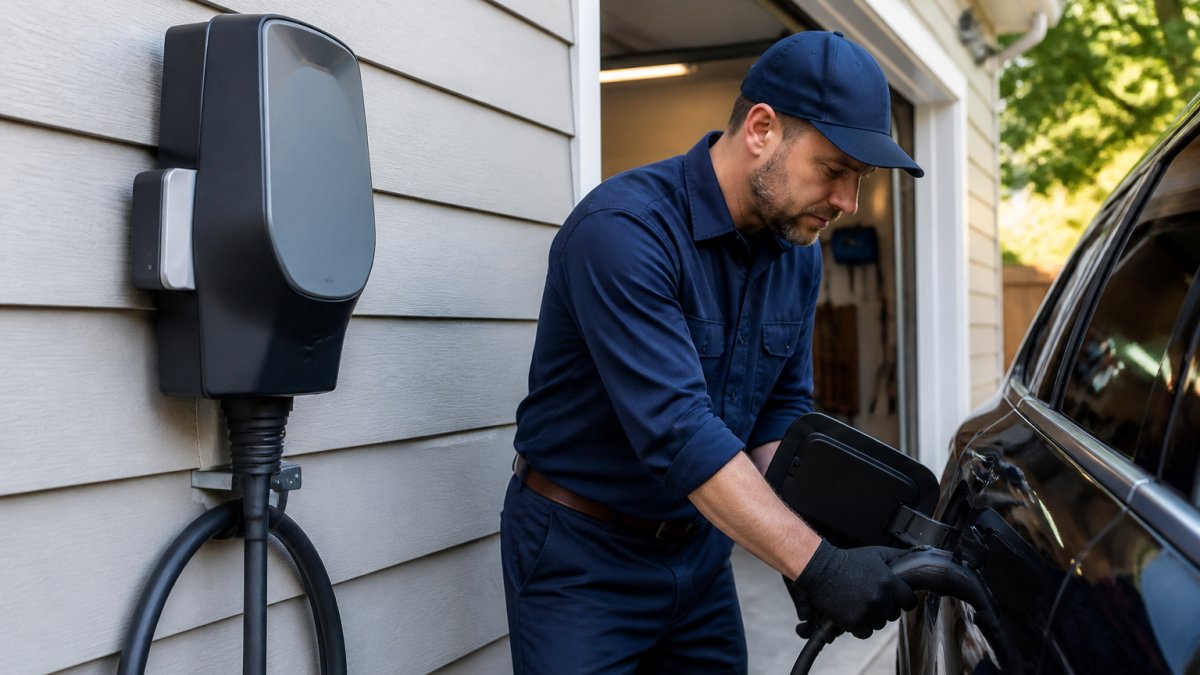
Rewiring historic homes safely in Charleston isn't just about convenience, it's about preventing fires, protecting your family, and preserving the structural integrity of properties that define our community's character. Many historic homes in the Charleston Lowcountry were built with electrical systems designed for far less power demand than modern life requires. Your grandmother's 1920s home wasn't built to handle a dishwasher, air conditioning, electric vehicle charging, and a home office simultaneously.
The problem compounds over time. Original wiring degrades. Insulation becomes brittle. Connections loosen. What worked safely for 80 years becomes a genuine fire hazard in 2026. Homes with original or partially updated wiring present real safety risks that insurance companies, building inspectors, and fire marshals take seriously.
This guide walks you through the critical safety considerations, regulatory requirements, and practical steps for rewiring historic homes safely in Charleston. You'll learn how to identify hazardous conditions, navigate the Charleston Board of Architectural Review requirements, choose qualified contractors, and understand what the process actually involves.
Common Electrical Hazards in Historic Charleston Properties
Historic properties face electrical hazards that modern homes simply don't encounter. Understanding these risks is the first step toward addressing them responsibly.
Knob and Tube Wiring: Fire Risk and Replacement
Knob and tube wiring was standard in homes built before the 1950s. This system uses ceramic knobs to support individual copper wires running through walls and attics, with no grounding wire and no protective sheathing. The wires are spaced apart to allow air circulation for cooling, a design that made sense when electricity demand was minimal.
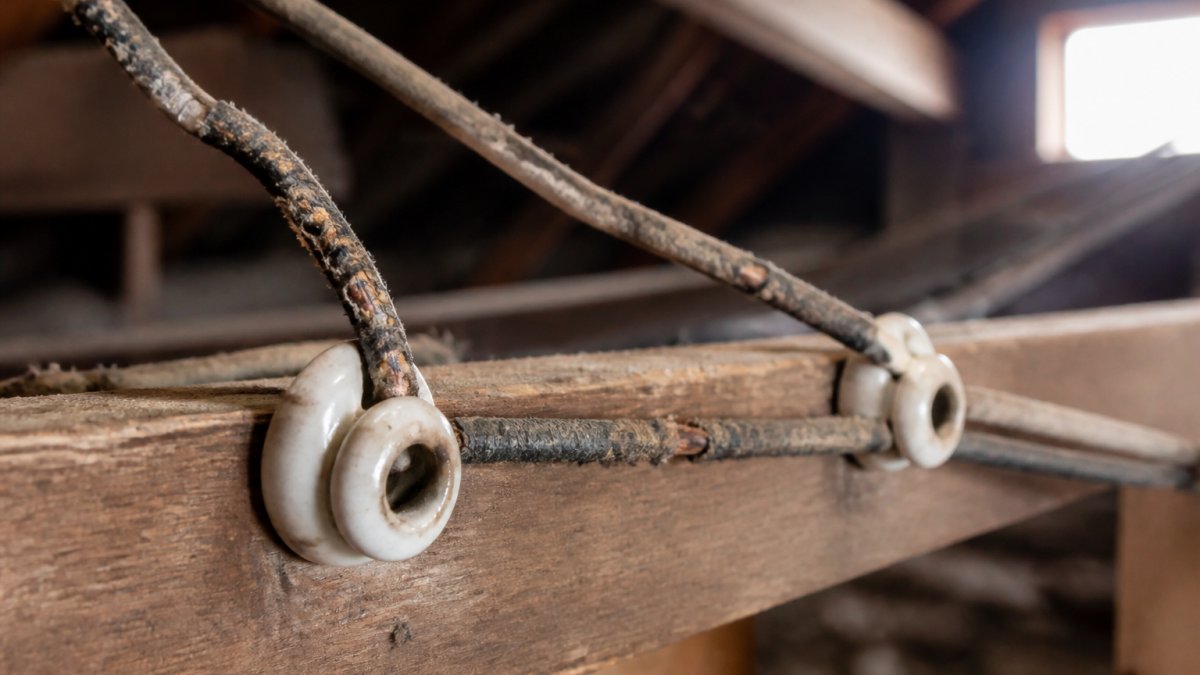
Knob and tube wiring creates several hazards. The cloth insulation hardens and cracks over decades, exposing live copper. The lack of grounding means any fault sends current searching for the nearest path to ground, potentially through you. When modern appliances draw more power than the system was designed for, wires overheat. Insulation fails. Fires start in walls where no one sees them until it's too late.
Insurance companies increasingly refuse to cover homes with active knob and tube wiring. Many won't even issue policies until it's replaced. Mortgage lenders often require its removal as a condition of financing. If you're selling a historic home in North Charleston with knob and tube wiring still in the walls, you'll face inspections, negotiations, and potential deal collapse.
Outdated Panel Capacity and Overloaded Circuits
Historic homes often have electrical panels rated for 60 or 100 amps, sometimes less. A modern household typically needs 150-200 amps to handle simultaneous loads from heating, cooling, cooking, laundry, and all the devices we now consider essential.
Older panels also use fuses instead of circuit breakers. Fuses are one-time devices; when they blow, someone replaces them. This creates temptation: if a 15-amp fuse keeps blowing, the homeowner might install a 20-amp fuse instead. Now an undersized wire carries more current than it was designed for. Insulation fails. Fires start.
Even with modern circuit breakers, outdated panels can't distribute power efficiently. Circuits become overloaded. Voltage drops. Devices malfunction. The risk of shock and fire increases with every year the system remains unchanged.
Historic Home Electrical Inspection Checklist
Before you commit to any rewiring plan, you need a clear picture of what you're working with. Use this checklist to assess your property's electrical condition.
| Inspection Item | What to Look For | Priority |
|---|---|---|
| Main panel age and amperage | Fuses vs. breakers; 60/100/150 amp rating | Critical |
| Visible wiring in attic/basement | Knob and tube, cloth-wrapped, or modern | Critical |
| Outlet grounding | Two-prong vs. three-prong outlets throughout home | High |
| GFCI protection | Ground-fault outlets in kitchen, bathroom, exterior | High |
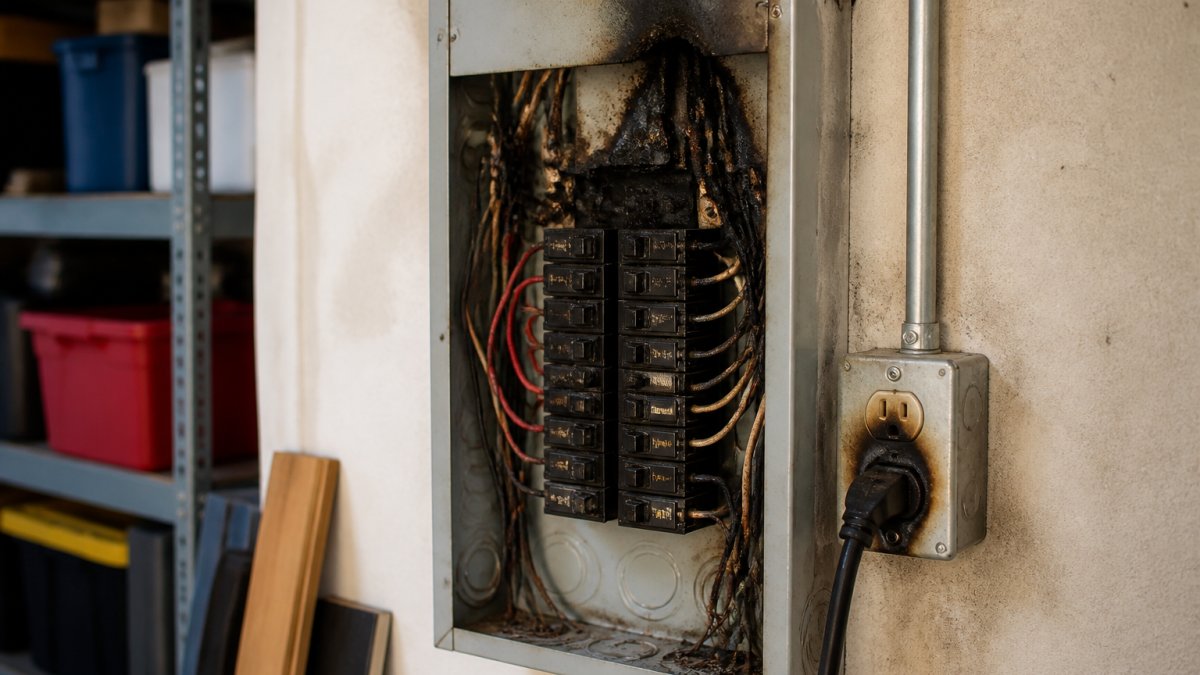
| Burn marks or scorch around outlets | Signs of arcing or overheating | Critical |
| Flickering lights during high-load times | Voltage drop or circuit overload | Medium |
| Warm outlet covers or switch plates | Indicates excessive current or poor connections | Critical |
| Aluminum wiring in walls | Requires special handling and connectors | High |
Walk your attic with a flashlight. Look at the basement or crawlspace. Open outlet covers (with power off) and look at the wire color and insulation type. Take photos. Document what you see. If you find knob and tube wiring, burn marks, or warm outlets, stop, you need a licensed electrician immediately, not a DIY project.
Charleston Board of Architectural Review Electrical Guidelines
If your historic home falls within a historic district in Charleston or the surrounding Lowcountry, the Charleston Board of Architectural Review (BOAR) has authority over exterior electrical work and certain interior modifications. This isn't bureaucratic obstruction, it's protection of the architectural character that makes these neighborhoods valuable.
BOAR's electrical guidelines typically require that exterior work (conduit routing, meter placement, service lines) be designed to minimize visual impact on the historic facade. Interior rewiring is generally your business, but if you're adding new outlets, panels, or running conduit visibly through historic spaces, you may need review.
Knob and Tube Wiring Replacement Cost in Charleston
Knob and tube wiring replacement is the most common rewiring project in historic homes, and it's also the most expensive. The cost depends on the home's size, the complexity of routing new wire, whether walls must be opened, and local labor rates.
Permits and Code Compliance for Historic Home Rewiring
Rewiring a historic home requires permits. This isn't optional, and it's not negotiable. Permitted work is inspected by the local authority having jurisdiction (AHJ), documented in public records, and covered by the contractor's liability insurance. Unpermitted work voids insurance, creates liability if something goes wrong, and becomes a major problem when you sell.
Choosing a Qualified Electrician for Historic Rewiring
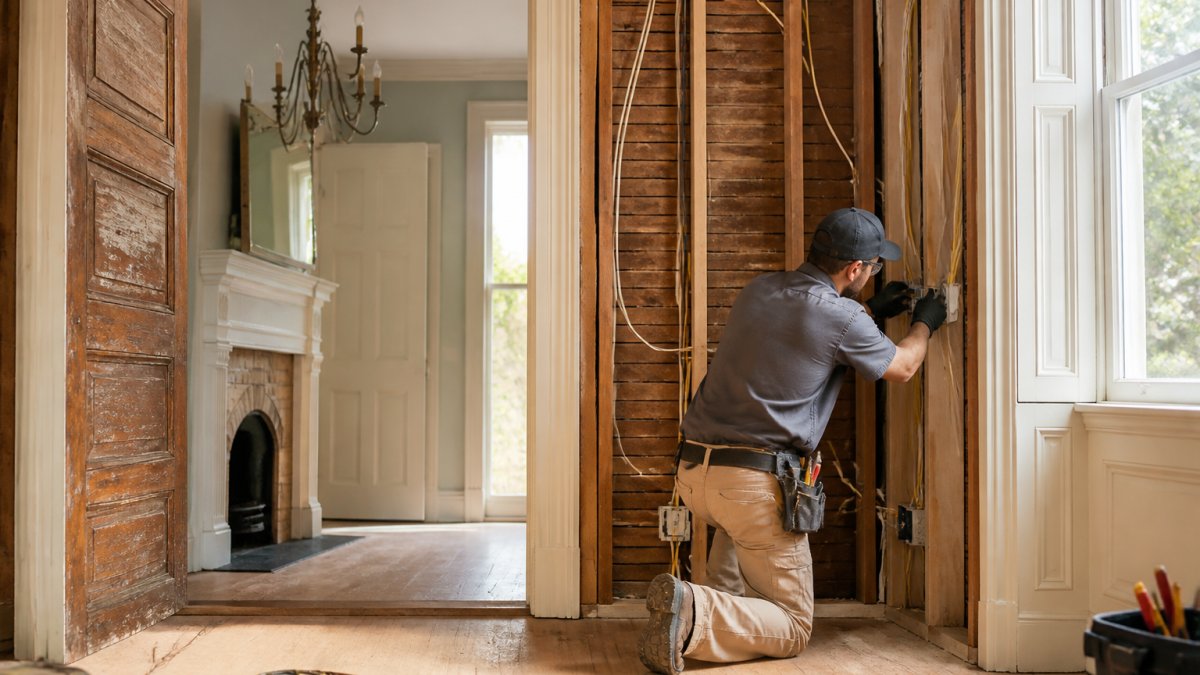
Not every licensed electrician has experience with historic homes. This matters. Historic wiring presents unique challenges: identifying what's original versus what's been modified, working in plaster and lath construction, routing wire through walls without modern cavities, and understanding how to preserve character while meeting code.
Step-by-Step Rewiring Process for Historic Homes
Rewiring a historic home follows a logical sequence. Understanding each phase helps you plan your timeline, budget, and expectations.
Phase 1: Assessment and Planning
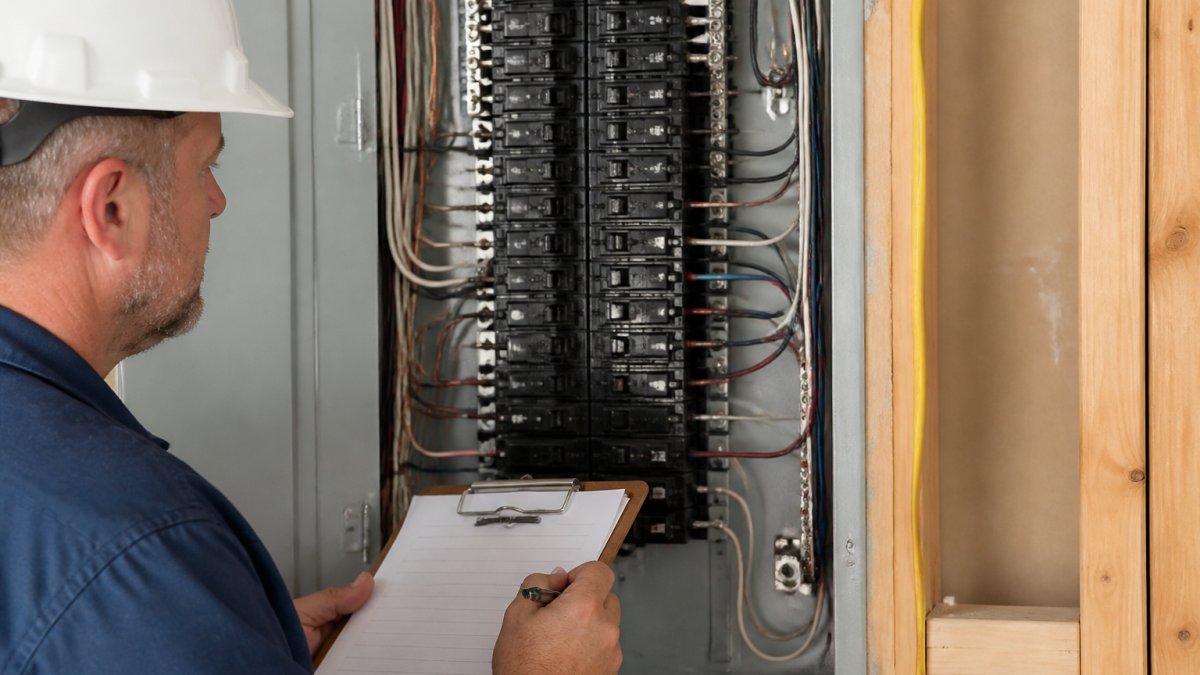
The process begins with a detailed electrical assessment. A qualified electrician walks the entire home, documents existing wiring type and condition, measures amperage at the main panel, tests outlets for grounding and proper voltage, and identifies any hazards. They photograph conditions in the attic, basement, and walls (where accessible).
Phase 2: Permitting and Design Review
Once you've approved the scope, the electrician prepares permit documents. These include a description of work, a one-line diagram showing the new panel and major circuits, and specification of materials and methods. The local building department reviews these documents and issues a permit.
Phase 3: Installation and Inspection
Installation typically proceeds in phases. First, the electrician upgrades the main panel (if needed) and runs new circuits from the panel to major areas. This might involve running conduit through attics, basements, or along exterior walls. Next, they run individual circuits to outlets, switches, and fixtures throughout the home.
Frequently Asked Questions
How do I know if my historic Charleston home needs a full rewire?
Signs your home needs rewiring include flickering lights, outlets that don't work, burning smells near outlets, tripped breakers, and visible knob and tube wiring. If your home was built before 1960 and has never been rewired, a professional inspection is essential. Older wiring often cannot safely handle modern electrical demands, creating serious fire hazards. A licensed electrician can assess your system and recommend whether partial or full rewiring is necessary.
What are the Charleston Board of Architectural Review electrical guidelines for historic homes?
The Board of Architectural Review requires that electrical upgrades preserve the historic character of your property. This means concealing new wiring inside walls when possible, using appropriate materials that match the home's era, and avoiding visible conduit on exterior facades. You must submit plans for approval before work begins. Guidelines vary by district, so consult the Board's requirements for your specific property to ensure compliance and avoid costly rework.
What does knob and tube wiring replacement cost in Charleston?
Knob and tube replacement costs depend on the square footage of your home, how much wiring needs replacement, wall accessibility, and local labor rates. Pricing varies significantly based on whether you're replacing the entire system or sections of it. For an accurate estimate specific to your property, contact a licensed electrician who can inspect your home and provide a detailed quote.
Do I need a permit to rewire my historic home in Charleston?
Yes, any significant electrical work in Charleston requires permits, especially in historic districts. You must obtain permits from the City of Charleston and submit plans to the Board of Architectural Review for approval. Permits ensure your work meets current electrical codes and fire safety standards. Working without permits can result in fines, insurance claim denials, and problems when selling your home. Your electrician should handle permit applications as part of their service.
Can I upgrade my electrical panel without compromising historic architectural features?
Yes, with careful planning. Panels can often be installed inside the home where they're not visible from the street or main facade. Interior walls, basements, and utility closets are common locations. You'll need Board of Architectural Review approval for placement and design. A qualified electrician experienced in historic homes can recommend solutions that meet modern code requirements while preserving your home's exterior appearance and character.
What should I look for when hiring an electrician for historic home rewiring?
Choose a licensed, bonded, and insured electrician with specific experience rewiring historic homes. Verify their credentials and ask for references from similar projects. They should understand local codes, Board of Architectural Review requirements, and preservation principles. A good contractor will provide a detailed written estimate, explain the process clearly, and obtain all necessary permits. Ask about their response time for questions and how they handle unexpected issues during the project.