 ultimate-guide
Residential Electrical Panel Upgrade Cost: 2026 Review
Table of Contents
- Residential Electrical Panel Upgrade Cost: What Drives the Price
- Signs You Need a New Electrical Panel
- Is a Federal Pacific Panel Safe to Keep?
- How Long Does an Electrical Panel Upgrade Take?
- Permits, Inspections, and Utility Coordination
- Smart Home, EV Chargers, and Insurance Implications
- Frequently Asked Questions
Last Updated: September 23, 2026
Residential Electrical Panel Upgrade Cost: What Drives the Price
Residential electrical panel upgrade cost is driven by four variables: amperage, labor, the condition of everything behind the wall, and the secondary repairs nobody quotes up front. The panel itself is the cheapest part of the job, the real money sits in labor, permits, utility coordination, and the drywall and stucco work that follows.
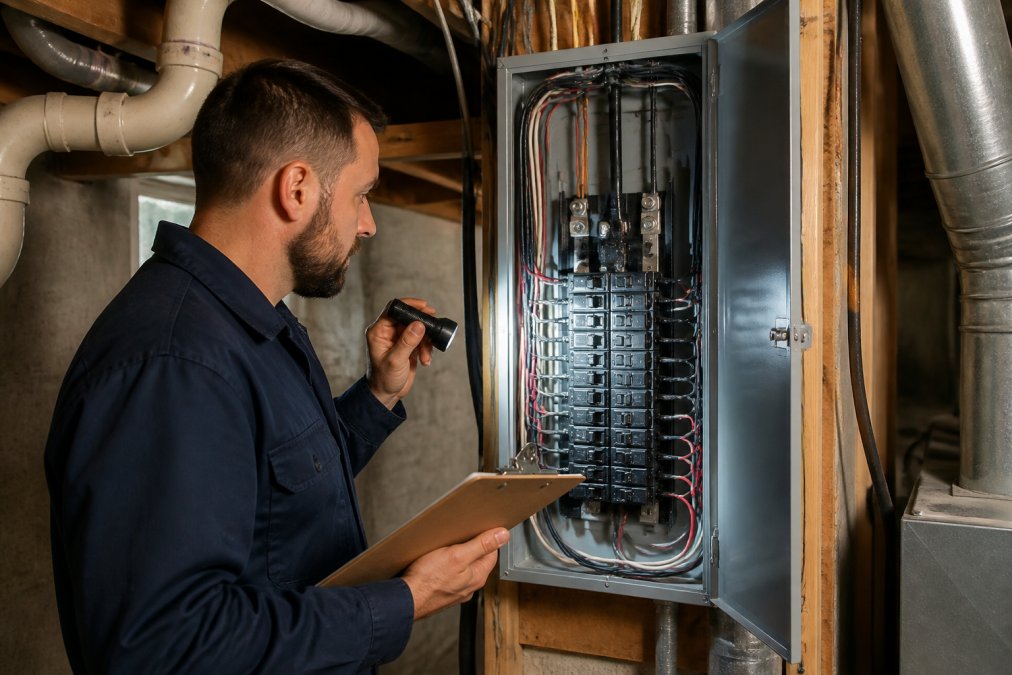
Typical Cost by Amperage
Most single-family panel replacements involve several variables, including amperage, access, wiring condition, and service entrance work.
| Service Size | Typical Project Range | What's Usually Included |
|---|---|---|
| 100A replacement (like-for-like) | $850 - $1,800 | Panel, breakers, labor, permit, inspection |
| 100A to 200A upgrade | $1,300 - $3,000 | New 200A panel, service entrance conductors, meter base if needed, permit, inspection |
| 200A to 400A upgrade | $2,500 - $6,000+ | Larger panel, heavier service entrance, possible mast and meter base replacement, utility coordination |
| Panel swap with subpanel addition | $1,800 - $4,500 | Main panel plus a subpanel for a garage, addition, or outbuilding |
| Federal Pacific or Zinsco replacement | $1,500 - $3,500 | Same scope as a standard swap, often with more circuit cleanup |
Labor vs. Material Split
Labor, not hardware, is the largest line item on most panel replacement quotes. The panel, breaker set, and service entrance cable are commodity items; the hours to de-energize the service, coordinate the meter pull, mount the enclosure, land every circuit, torque every lug to spec, label the directory, and pass inspection are what you're really paying for.
Amperage, Access, and Hidden Structural Costs
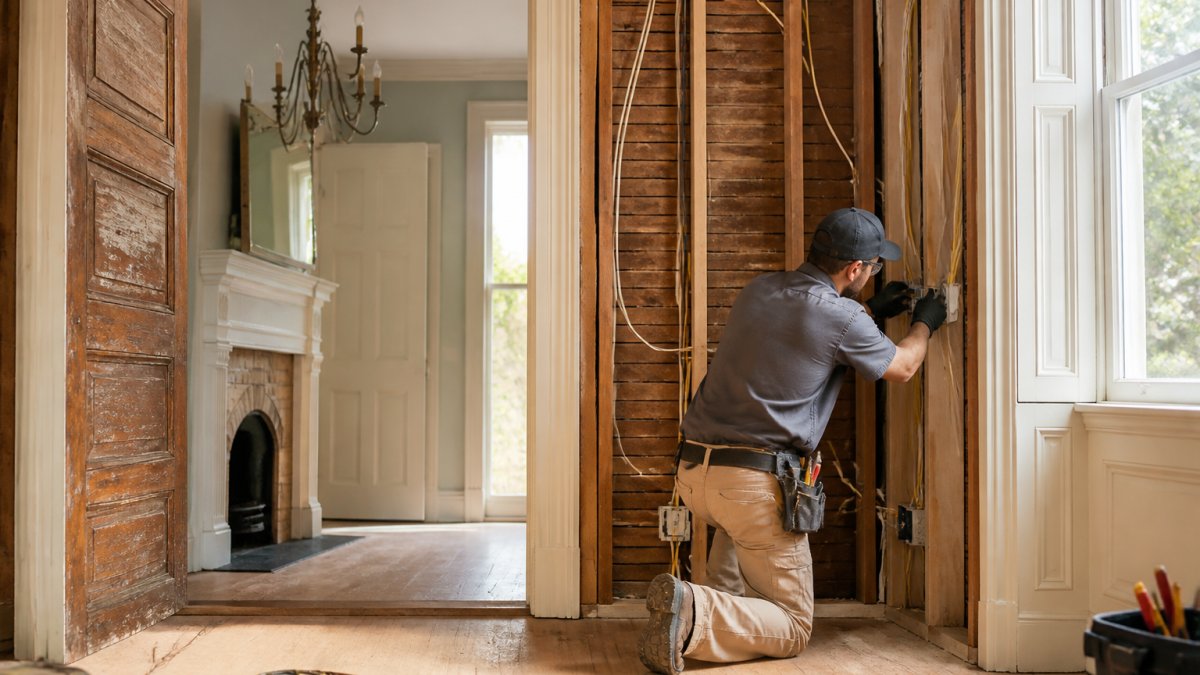
Higher amperage costs more, but access and structure often cost more than the amperage jump itself. A 200-amp upgrade in an unfinished basement with clear overhead service is a very different job than the same upgrade in a historic home with a finished ceiling and a crawlspace you can't stand up in.
- Rotted or undersized framing at the panel location, requiring a carpenter before the panel can be mounted
- An undersized or corroded service mast on an overhead service, which must be replaced to code
- Drywall, plaster, or stucco repair where the old panel was removed and the new one is a different size
- Interior or exterior painting to match the patched wall
- Siding repair if the meter base or mast penetration changes
Here's how the common cost drivers stack up:
| Cost Driver | What Pushes It Higher | Impact |
|---|---|---|
| Labor hours | Difficult access, finished ceilings, attic runs | Largest single variable |
| Amperage | 100A vs 200A vs 400A service | Moderate, predictable |
| Hidden structural | Rotted framing, undersized service mast, wall repair | Unpredictable, can exceed panel cost |
| Secondary repairs | Drywall, plaster, stucco, paint, siding | Often 10%-20% of total |
| Permits and inspection | Jurisdiction fees, re-inspection if work fails | Fixed but varies by city |
| Utility coordination | Overhead vs underground service, meter relocation | Often overlooked |
What the Quote Usually Leaves Out
A panel upgrade quote is a scope document, not a promise. Commonly missing line items: the utility disconnect and reconnect fee, permit fees billed directly to the homeowner, drywall and paint repair, and any circuit repair found during the swap. Ask for a written scope naming what's included and excluded, plus the change-order process.
Signs You Need a New Electrical Panel
You need a new electrical panel when the current one can no longer safely carry the load, when breakers trip repeatedly, or when the panel is a known hazard. Warning signs include a burning smell near the panel, scorch marks on breakers, rust or corrosion inside the enclosure, and breakers that won't reset.
- Flickering lights when large appliances start
- Breakers that trip and won't stay reset
- A panel that's warm to the touch
- Double-tapped breakers (two wires under one lug)
- Fuses instead of breakers, or a panel with no main disconnect
Is a Federal Pacific Panel Safe to Keep?
A Federal Pacific Electric panel is not considered safe to keep. These panels, along with certain Zinsco models, have a documented history of breakers that fail to trip under overload, removing the protection the panel is supposed to provide. Replacement is the standard recommendation.
How Long Does an Electrical Panel Upgrade Take?
An electrical panel upgrade typically takes four to eight hours of on-site work for a straightforward replacement, plus permit and inspection time that stretches the project across several days. Complex jobs with service entrance changes or wiring repairs run longer.
The timeline breaks into stages:
| Stage | Typical Duration | Notes |
|---|---|---|
| Permit application | 1-5 business days | Varies by jurisdiction |
| Utility coordination | 1-10 business days | Scheduling the disconnect |
| On-site panel work | 4-8 hours | Single day for most jobs |
| Inspection | 1-3 business days | After work completes |
| Utility reconnect | Same day to 3 days | Restores power |
Permits, Inspections, and Utility Coordination
Permits and inspections are non-negotiable, and utility coordination is the step homeowners most often forget, and the one that determines whether the project finishes in three days or three weeks. Electrical work of this scope requires a permit in nearly every jurisdiction, and the work must be inspected before the utility restores power. Skipping the permit creates a problem at resale and can void insurance.
How the Permit and Inspection Sequence Actually Works
The order of operations matters:
- Permit application. The contractor (or you, if you're pulling an owner-builder permit) files with the local building department. Fees vary widely by jurisdiction and are usually based on project valuation. Turnaround is typically one to five business days.
- Utility disconnect request. Once the permit is issued, the contractor schedules the utility to disconnect the service. This is a separate request from the permit and is often the longest lead time in the project.
- Meter pull and de-energization. On disconnect day, the utility pulls the meter and confirms the service is dead. The electrician cannot legally work on an energized service entrance, and the meter is the utility's property, the homeowner or contractor cannot pull it.
- Panel work. The electrician replaces the panel, lands the circuits, and installs the grounding and bonding.
- Rough and final inspection. The local inspector verifies the work against the adopted electrical code. Most jurisdictions require the inspection to pass before the utility will reconnect.
- Utility reconnect. After the inspection sticker is issued, the utility re-installs the meter and restores power.
A common mistake is scheduling the electrician before the permit is approved and the utility disconnect is on the calendar. That stalls the job, and a failed or missed inspection can trigger a re-inspection fee.
Why Utility Coordination Is the Real Bottleneck
Utility coordination is where timelines slip, and no cost guide can quote it accurately because it depends on your utility's scheduling queue.
- Overhead vs. underground service. An overhead service can often be disconnected and reconnected on a scheduled appointment. An underground service may require a crew and a longer window, and in some cases the utility will only reconnect after a separate service inspection.
- Meter relocation. If the new panel requires the meter to move, common when upgrading from 100A to 200A and the existing meter base is undersized, the utility has to approve the new location and may require a new meter base and mast. That adds design time before any work starts.
- Same-day vs. multi-day windows. In some service territories, disconnect and reconnect can happen the same day. In others, the utility schedules the disconnect for one day and the reconnect for another, which means the home is without power overnight. If anyone in the home depends on powered medical equipment, that gap has to be planned for.
- Who calls whom. The contractor typically initiates the disconnect request, but the account holder usually has to authorize it. Confirm in writing who is making the call and when.
Questions to Ask Before You Sign
- Does the quote include the utility disconnect and reconnect fee, or is that billed separately by the utility?
- Who schedules the disconnect, the contractor or the homeowner?
- Has the contractor worked with this specific utility before, and do they know its typical lead time?
- What happens if the inspection fails, who pays the re-inspection fee?
- Is the permit fee included, or billed at cost?
A contractor who has done this work locally knows the utility's rhythm and books around it, worth more than a slightly lower bid from an out-of-area crew that has never scheduled a disconnect with your utility.
Smart Home, EV Chargers, and Insurance Implications
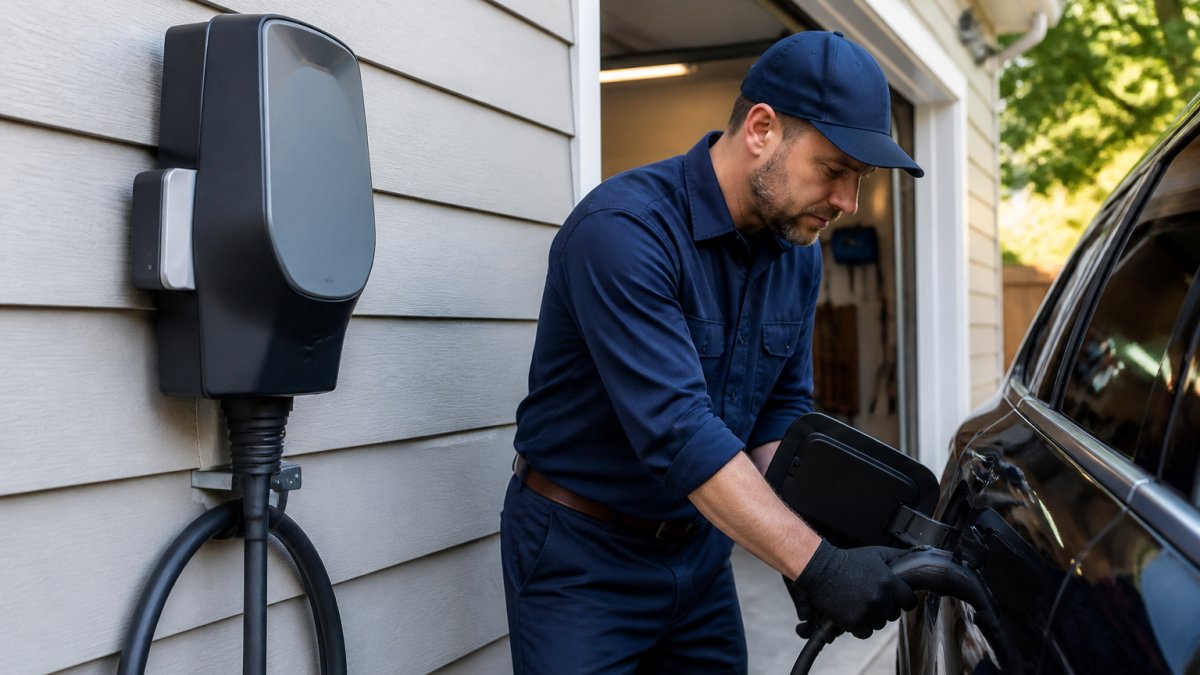
Planning for an EV charger or smart home load at the same time as the panel upgrade usually costs less than doing it later. If a Level 2 EV charger is coming, sizing the panel for it now avoids a second service upgrade. The same logic applies to heat pumps, induction ranges, and any large new load.
Frequently Asked Questions
How much does an electrician charge to upgrade an electrical panel?
Pricing depends on amperage, panel location, wiring condition, permit fees, and whether utility coordination is needed. A 100-to-200 amp swap in a straightforward setup costs less than a service that requires a new meter base, service entrance cable, or structural work. EmergenServe provides written quotes after an on-site assessment so homeowners see the full breakdown before work begins. Visit the website for current pricing.
How much does it cost to upgrade an electrical panel from 100 amp to 200 amp?
A 100-to-200 amp upgrade typically costs more than a simple panel swap because it often includes a new main service panel, meter base, service entrance cable, and possibly a utility disconnect and reconnect. Load calculation, permit fees, and inspection costs also factor in. Pricing depends on your home's specific setup, so request a quote from EmergenServe for an accurate figure.
Is it worth it to upgrade an electrical panel?
Yes, when the existing panel is outdated, undersized, or a known hazard. Upgrading to 200 amps supports modern loads like EV chargers, heat pumps, and induction ranges, and it satisfies current NEC requirements for AFCI and GFCI protection. It also improves resale value and can lower insurance risk. If your panel is a Federal Pacific or has aluminum wiring, replacement is a safety priority.
Can you upgrade an electrical panel without rewiring the house?
In many cases, yes. If the branch circuits are in good condition and meet code, the electrician can replace the panel and service entrance equipment without touching the interior wiring. However, if the home has knob-and-tube or deteriorated aluminum wiring, partial rewiring may be required for code compliance. An inspection determines what your specific home needs.
Does an electrical panel upgrade require a permit?
Yes. Nearly every jurisdiction requires a permit for a panel upgrade, and the work must pass an electrical inspection before the utility will restore power. Permit fees vary by location and are usually included in the contractor's quote. Skipping the permit can void insurance coverage and create problems at resale. EmergenServe handles permitting and inspection scheduling as part of the project.