 ultimate-guide
Emergency Electrician Response Time: What to Expect
Table of Contents
- What Constitutes an Electrical Emergency
- Emergency Electrician Response Time: Industry Benchmarks
- Factors That Influence Emergency Response Time
- Signs of an Electrical Emergency and Safety Steps
- Understanding 24/7 Electrical Repair Cost and Surcharges
- What to Expect When the Electrician Arrives
- How to Prepare for an Emergency Electrical Service Call
- Frequently Asked Questions
Last Updated: September 25, 2026
What Constitutes an Electrical Emergency
An electrical emergency is an immediate threat to safety or power continuity that requires urgent professional intervention. Common scenarios include sparking electrical panels, live wires, complete power loss affecting critical systems, burning smells near outlets or appliances, flickering lights combined with buzzing sounds, or situations where someone has been shocked.
The distinction between a routine repair and a true emergency comes down to safety risk and immediate impact. A tripped breaker you can reset yourself is routine maintenance. A panel that's actively arcing, a room without power after a storm, or exposed wiring are emergencies. Understanding this difference helps you decide when to call for emergency service versus scheduling a regular appointment.
The National Electrical Code safety standards define electrical hazards that pose immediate danger. When you're uncertain whether your situation qualifies, the safest approach is to treat it as an emergency. Professional electricians would rather assess a non-emergency than have a homeowner delay calling during an actual crisis.
Emergency Electrician Response Time: Industry Benchmarks
Emergency electrician response time varies significantly based on location, time of day, and current demand. Urban areas typically see faster dispatch and arrival, while rural locations naturally require longer travel times. Understanding realistic benchmarks helps you set expectations and plan accordingly.
Urban vs. Rural Response Expectations
Urban response times generally range from 30 minutes to 2 hours from the moment you call. High population density means more electricians on staff and shorter distances to travel. EmergenServe maintains a 60-minute emergency response time.
Rural response times often extend beyond 2 hours due to greater distances and fewer available technicians in the area. If you're in a remote location, calling at the first sign of trouble becomes even more critical. Some rural areas may see response times of 3-4 hours or longer, particularly during high-demand periods like severe weather events.
Geographic factors directly influence how quickly help arrives. A neighborhood 15 minutes from the electrical contractor's dispatch center will see faster service than one 45 minutes away. Time of day also matters, midday calls typically get faster response than late-night emergencies when fewer technicians are available, though true 24/7 services maintain coverage around the clock.
24/7 Service Availability and Dispatch Protocols
Twenty-four-hour emergency service means a real person answers your call at 2 AM, not an automated system. Dispatch protocols determine how quickly that call translates into a technician heading your way. Professional electrical contractors maintain on-call rotations to ensure someone is always available to respond.
When you call for emergency service, the dispatcher gathers critical information: your location, a description of the problem, safety hazards present, and whether anyone has been injured. This triage process determines dispatch priority. A panel fire goes to the front of the queue. A dead outlet in one room goes lower. The dispatcher also alerts the nearest available technician and provides them with your address and situation details before they even leave their location.
Response time begins when you call, not when the technician arrives at your property. Professional services track this metric carefully because it directly reflects their reliability. Dispatch protocols that work efficiently can cut 10-15 minutes off total response time compared to slower systems.
Factors That Influence Emergency Response Time
Several variables beyond geography affect how quickly an electrician reaches your door. Understanding these factors helps explain why two emergency calls on the same day might have different arrival times.
Call volume is the primary variable. During severe weather events, power outages, or peak evening hours, dispatch centers handle multiple simultaneous emergencies. A technician already on a call cannot respond to your emergency until they complete their current job. During slow periods, response can be nearly immediate. High-demand periods naturally extend wait times even for the most responsive contractors.
Technician availability directly impacts response. A contractor with three technicians on call can respond faster than one with a single technician. Larger service areas require more staff to maintain consistent response times across all locations. Seasonal patterns also matter, summer and winter bring more emergency calls, which strains availability compared to spring and fall.
Distance to your location from the contractor's dispatch center or the nearest technician's current location determines travel time. A technician finishing a job two blocks away arrives much faster than one 20 minutes across town. This is why contractors with multiple service areas or teams stationed throughout their region outperform those with centralized operations.
The nature of the problem can extend response time if the technician must gather specialized equipment or parts before arriving. A simple breaker reset requires only the technician. A panel replacement might require additional crew members or specialized tools that must be loaded first.
Signs of an Electrical Emergency and Safety Steps
Recognizing genuine electrical emergencies prevents dangerous delays and unnecessary panic calls. Several clear warning signs indicate you need immediate professional help.
Visible sparking or arcing at outlets, switches, or your electrical panel is the most obvious emergency signal. Any visible fire, smoke, or burning smell near electrical components requires immediate action. If you see flames, call 911 first, then your electrician. Do not attempt to extinguish an electrical fire with water.
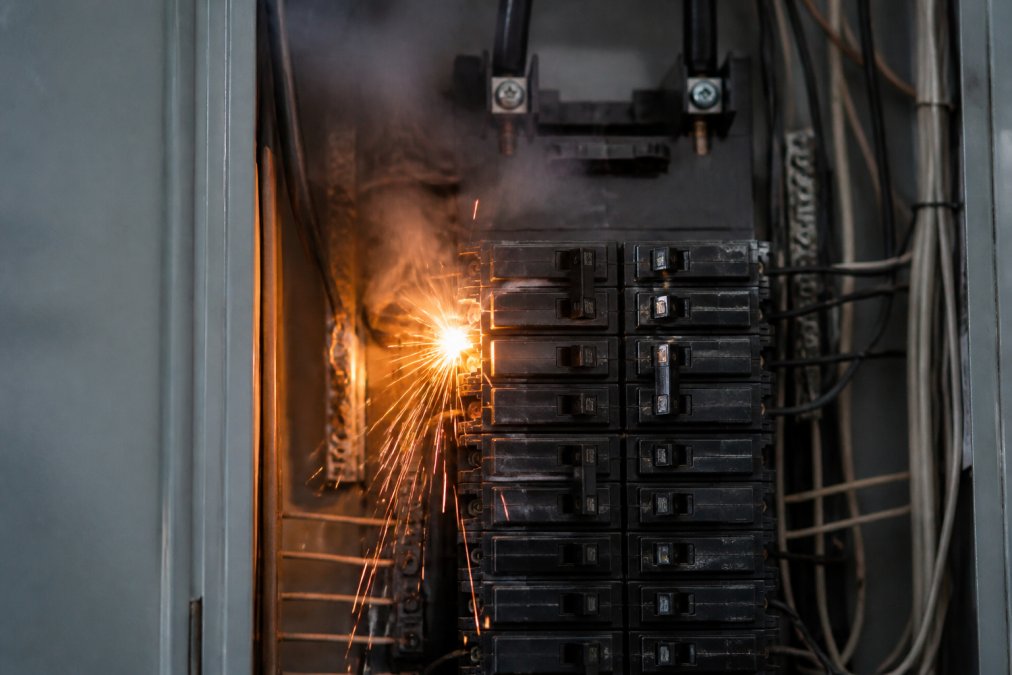
Buzzing or humming sounds combined with heat, discoloration, or melting around outlets or switches indicate dangerous conditions. Flickering lights throughout your home, especially when accompanied by buzzing, suggest serious problems. Complete power loss after a storm or accident requires assessment even if it doesn't feel urgent.
Electrical shock sensations when touching appliances, outlets, or metal fixtures indicate dangerous current leakage. This requires immediate professional attention. Water contact with electrical systems, flooded basements with live circuits, water dripping on outlets, or wet conditions near panels, creates hazardous situations.
Safety steps during an electrical emergency prioritize protection before the technician arrives. If you smell burning, turn off the main breaker if you can reach it safely. Never touch sparking components, live wires, or anything wet near electrical systems. Keep children and pets away from the affected area.
If someone has been shocked, do not touch them while they're in contact with the electrical source.
Understanding 24/7 Electrical Repair Cost and Surcharges
Emergency electrical repair pricing reflects the reality of maintaining 24/7 availability. Understanding how costs are structured helps you anticipate expenses and compare service providers fairly.
After-Hours Surcharges and Pricing Structure
After-hours service typically includes surcharges that compensate technicians for working outside standard business hours. Evening, night, and weekend calls often carry premium rates, sometimes 1.5 to 2 times the standard hourly rate. A 2 AM call costs more than the same work at 2 PM because the technician is away from their family and the contractor must maintain staffing levels around the clock.
Verifying Credentials and Insurance Coverage
Before an emergency happens, verify that your chosen contractor carries proper licensing, bonding, and insurance. This protects you if something goes wrong during the repair. Licensing requirements vary by state and sometimes by municipality, but professional electricians must hold current credentials.
What to Expect When the Electrician Arrives
Knowing what happens during an emergency service call reduces anxiety and helps you prepare your home.
How to Prepare for an Emergency Electrical Service Call
Taking a few steps before the technician arrives helps the process go smoothly.
Frequently Asked Questions
What is a typical emergency electrician response time?
Response times vary based on location, call volume, and time of day. Urban areas typically see arrival within 30-60 minutes for emergency calls, while rural or remote areas may take 60-120 minutes. Licensed electricians offering 24/7 service prioritize dispatch based on hazard severity. Your specific response time depends on your service area, the contractor's current workload, and whether the call comes during peak hours or overnight.
What are the signs of an electrical emergency that require immediate service?
Call for emergency service immediately if you notice burning smells near outlets or the electrical panel, visible arcing or sparking, live wires exposed, a tripped main breaker that won't reset, complete power loss in your home, electrical panel failure, or any short circuit. These conditions pose fire and electrocution hazards. Do not attempt to troubleshoot these issues yourself. Turn off the main breaker if safe to do so and contact a licensed electrician right away.
How much does 24/7 electrical repair cost compared to regular service calls?
Emergency service calls typically include a higher minimum service fee and after-hours surcharges, often double the standard daytime rate for calls after hours or on weekends. The exact cost depends on the repair complexity, parts needed, and your location. Most contractors charge a service call fee upfront, then bill for labor and materials separately. Contact your local licensed electrician for a quote, as pricing varies by region and the specific electrical issue.
What should I do while waiting for an emergency electrician to arrive?
Ensure your safety first: turn off the main breaker if the hazard is in your electrical panel, avoid touching any live wires or damaged areas, and keep family members and pets away from the problem area. If there's a burning smell, turn off power to that circuit at the breaker box. Document what you observed (sparks, smells, tripped breakers) to share with the technician. Stay available to answer the door and provide access to your electrical panel or the affected area.
How can I verify that an emergency electrician is actually licensed and insured?
Ask the contractor for their license number and verify it through your state's licensing board or electrical contractor database. Request proof of liability insurance and bonding before work begins. Check online reviews and ratings on Google, the Better Business Bureau, or industry directories. Licensed electricians are required to display their credentials, and reputable contractors welcome verification questions. Never hire someone who refuses to provide proof of licensing or insurance.
What factors affect how quickly an electrician can respond to my emergency call?
Response time depends on your location (urban areas have faster dispatch), the contractor's current call volume, time of day (overnight calls may take longer), distance from the dispatch center to your property, and the severity of your electrical hazard. Weather conditions, traffic, and availability of parts for same-day repair also influence timing. Contractors with multiple technicians and a larger service radius typically offer faster response than single-person operations.