 ultimate-guide
Benefits of Standby Generator Installation in 2026
Table of Contents
- What Standby Generator Installation Delivers
- Standby Generator vs Portable Generator: Key Differences
- The Financial and Practical Benefits of a Whole-House System
- Understanding Standby Generator Installation Cost Factors
- Whole House Generator Maintenance Requirements
- Evaluating Installation Logistics: Permits, Placement, and Smart Features
- Conclusion: Is Standby Generator Installation Worth It?
- Frequently Asked Questions
Last Updated: September 9, 2026
What Standby Generator Installation Delivers
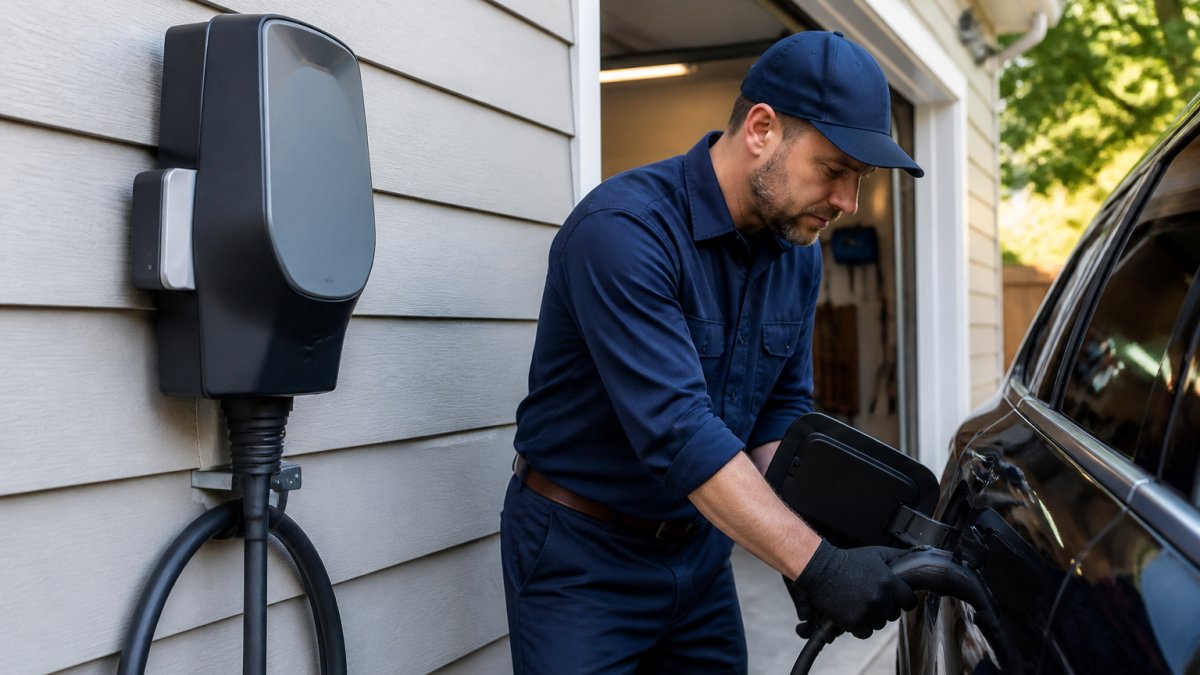
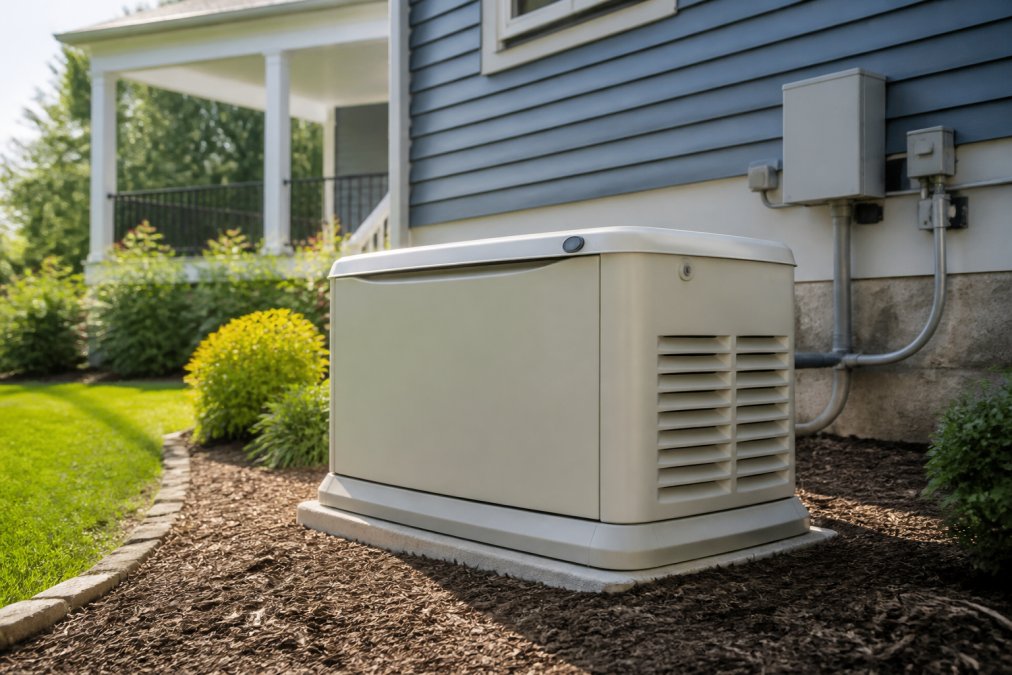
A standby generator is a permanently installed backup power system that automatically restores electricity to your home within seconds of a grid failure. Unlike portable units that require manual setup, a whole-house standby generator connects directly to your home's electrical panel through an automatic transfer switch, providing uninterrupted power without you lifting a finger.
When the power goes out at 2 AM during a summer storm, most families are left in the dark waiting for crews to restore service. Homeowners who have invested in standby generator installation, however, are running their air conditioning, refrigerators, and medical equipment as if nothing happened.
The value proposition is straightforward: automatic power restoration, protection for essential appliances, and the comfort of knowing your home remains functional during outages.
Standby Generator vs Portable Generator: Key Differences
The standby generator vs portable generator decision comes down to three factors: convenience, capacity, and cost. Standby units run on natural gas or liquid propane, start automatically when the electrical grid fails, and connect through a hardwired installation with an automatic transfer switch. Portable generators require manual setup, extension cords, and fuel storage, and they only power whatever you plug directly into them.
| Feature | Standby Generator | Portable Generator |
|---|---|---|
| Power Source | Natural gas or liquid propane | Gasoline or propane tanks |
| Startup | Automatic within seconds | Manual pull or key start |
| Connection | Hardwired to electrical panel | Extension cords |
| Power Coverage | Whole house or essential circuits | Selected appliances only |
| Installation | Professional, permitted | None required |
| Maintenance | Automatic cycling, self-tests | Manual checks before each use |
| Noise Level | Lower decibel rating | Louder operation |
For homeowners who travel, have medical devices, or simply want protection without thinking about it, a standby system eliminates the scramble to haul out a generator during a storm.
The Financial and Practical Benefits of a Whole-House System
Beyond the immediate convenience, a standby generator is a financial decision with a long arc. A realistic 10-year cost-of-ownership analysis reveals where the true value lies.
The 10-Year Cost of Ownership Picture
The ongoing costs are modest and predictable. Fuel costs for natural gas models are minimal during actual outages, often just a few dollars per day of runtime, because they tap into your existing utility line.
Compare that to the alternative. A single extended outage that ruins a refrigerator full of food, damages a heat pump compressor, or causes water damage from a non-functioning sump pump can be costly in repairs and deductibles. For homes in regions that experience even one multi-day outage per decade, the generator can help mitigate potential losses.
Protecting What's Expensive to Replace
Modern homes are packed with voltage-sensitive electronics. When the grid fails and then surges back, it can send power spikes through your home's circuits that damage HVAC control boards, well pumps, and entertainment systems. A standby generator with an automatic transfer switch provides clean, stable power at a consistent voltage, isolating your home from the grid's instability during an outage.
The Hidden Value of Climate Control
Food preservation is the most cited practical benefit, and for good reason. A full refrigerator and freezer represent a significant investment in groceries that can spoil within hours if the doors stay closed. But climate control goes deeper. In winter, a home without heat can suffer frozen pipes that burst, causing significant water damage. In summer, high humidity and heat can warp hardwood floors and promote mold growth in drywall.
Property Value and Marketability
Real estate professionals in storm-prone markets consistently report that a permanent standby generator is a differentiator. While the generator won't necessarily add its full installed cost to your appraisal, it can make your home more competitive in a bidding situation and reduce the time it sits on the market.
Understanding Standby Generator Installation Cost Factors
Standby generator installation cost varies significantly based on several variables, and no two quotes look the same. The primary factors include the kilowatt capacity of the unit, the complexity of the electrical connection, fuel source availability, and local permit requirements.
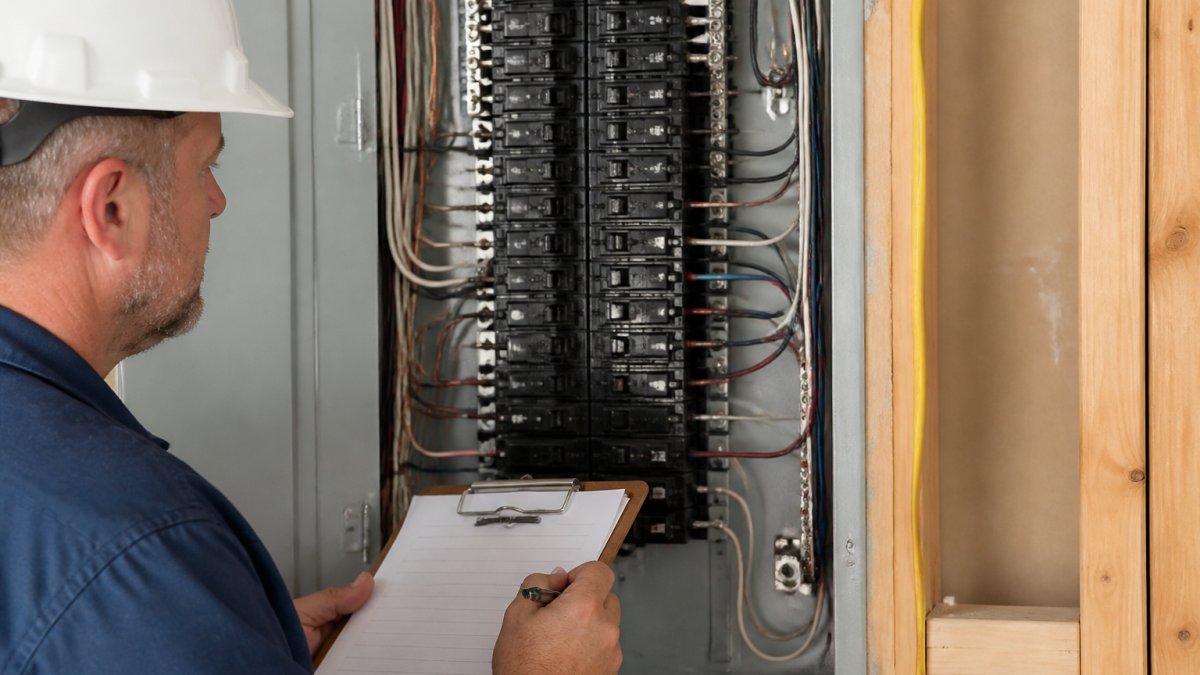
A licensed electrician must size your system based on your home's essential circuits. Do you need to power the entire house, or just critical loads like refrigeration, lighting, and HVAC? Smaller units covering essential circuits cost less but require a sub-panel to separate those circuits from the rest of your home.
Installation logistics also drive pricing. Running natural gas lines, pouring a concrete pad, and coordinating with your utility company all add to the total. Local building codes require an installation permit, and some municipalities mandate inspections before the system goes live.
Whole House Generator Maintenance Requirements
Whole house generator maintenance requirements are straightforward, but they are non-negotiable. A standby generator sits idle for 99% of its life, then must start instantly under load. That reliability is engineered through automatic self-checks and scheduled professional service.
The Weekly Self-Test: What's Actually Happening
Most modern standby generators run a self-test cycle every 7 days for 10 to 15 minutes. During this cycle, the engine starts automatically, runs under a light load, and the automatic transfer switch briefly exercises its contacts. This circulates oil, keeps the battery charged, and prevents moisture accumulation. If you hear your generator hum for a few minutes every Tuesday afternoon, that's the system keeping itself healthy.
Annual Professional Service: The Non-Negotiable
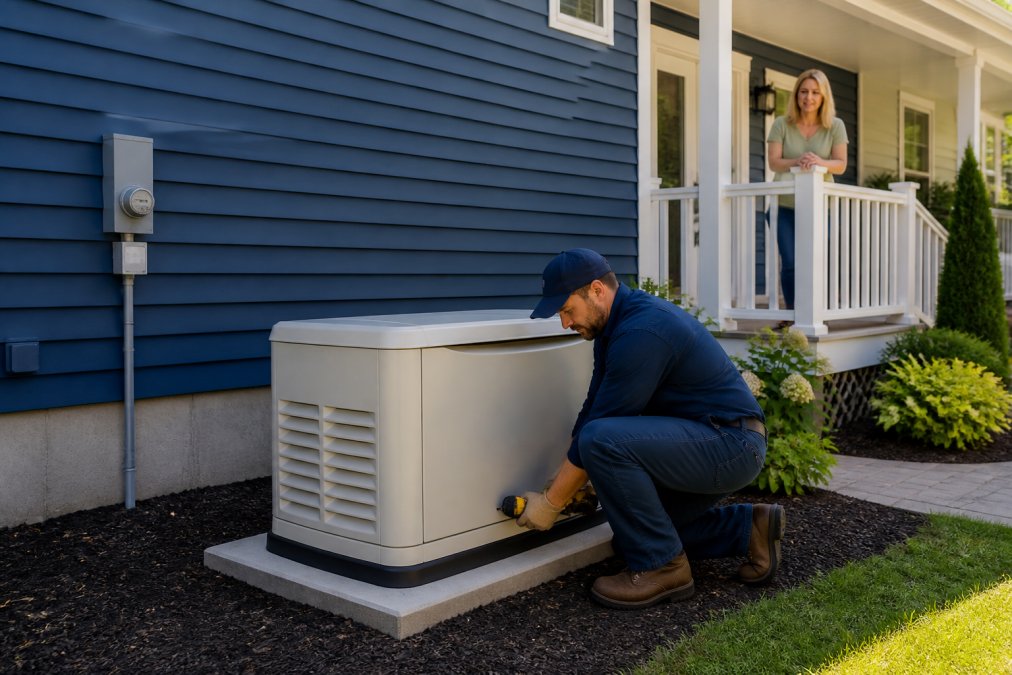
Once a year, a qualified technician should perform a comprehensive inspection. This is not a luxury, it's a requirement for maintaining your warranty and ensuring the unit performs when you need it. A standard annual service includes:
- Engine oil and filter replacement (most manufacturers recommend synthetic oil for extended life)
- Air filter inspection and replacement if needed
- Spark plug inspection and gap adjustment
- Battery load testing and terminal cleaning
- Coolant level check and top-off (for liquid-cooled units)
- Automatic transfer switch contact inspection
- Fuel line leak check
- Control panel diagnostic review
Most manufacturers void the warranty if this annual service is not performed by a licensed technician. The cost is a worthwhile investment for the security of your property.
Environmental and Noise Considerations in Maintenance
Modern units are quieter than their predecessors, but noise is still a factor. A typical air-cooled generator runs at a decibel level comparable to a central air conditioning unit. Liquid-cooled units are quieter, but cost significantly more. Ask your technician to check the muffler and vibration isolators; a loose component can increase noise by 5 to 10 decibels.
Natural gas generators consume a certain amount of natural gas per hour at full load. Propane units burn a certain amount of gallons per hour at full load. Ensuring your fuel lines are properly sized and free of leaks is a critical part of annual service.
Smart Monitoring: Maintenance That Comes to You
Modern generators have transformed maintenance into a data-driven schedule. Most units now come with Wi-Fi connectivity and a mobile app that provides real-time status updates. You can check:
- Battery voltage and charging status
- Oil pressure and temperature
- Number of runtime hours since last service
- Fault codes and diagnostic alerts
- Fuel level (for propane models)
These systems also send push notifications directly to your phone and to your service provider. If the generator detects a problem during its weekly self-test, you'll know about it before the next storm hits.
Homeowner Tasks Between Professional Visits
Between annual services, keep the enclosure clear of leaves, debris, and snow. Check that the ventilation louvers are unobstructed. Look for signs of rodent nesting, which can damage wiring. And if your unit is battery-equipped, ensure the battery compartment is clean and free of corrosion. These five-minute checks, done monthly, prevent unexpected failures.
Evaluating Installation Logistics: Permits, Placement, and Smart Features
Standby generator installation involves more than dropping a unit on a concrete pad. Local building codes dictate placement distances from windows, doors, and property lines, primarily for carbon monoxide safety. Your installer must also pull an installation permit and coordinate with your utility provider if the work involves your natural gas connection.
Homeowners associations add another layer of consideration. Many HOAs have specific rules about generator placement, noise levels, and visible equipment. Checking your community guidelines before purchasing prevents costly relocation later.
Smart home integration has become a deciding feature for many buyers. Modern standby generators connect to Wi-Fi networks, allowing you to monitor fuel levels, run status, and maintenance alerts from your phone. Some systems integrate with home automation platforms, giving you control over which circuits receive power during an outage. The U.S. Department of Energy's guide on backup power options notes that homeowners should evaluate their critical load requirements before selecting a system size.
Choosing an experienced electrical contractor matters throughout this process. A licensed, insured team handles the permitting, coordinates inspections, and ensures your installation meets every code requirement. At EmergenServe, our electricians specialize in generator installations and panel upgrades, delivering code-compliant work that stands up to inspection. We also offer 24/7 emergency service with a 60-minute response time, so if your current setup fails, help arrives quickly. FEMA guidance on emergency preparedness for homes recommends that households in storm-prone regions have a backup power plan in place before an emergency strikes.
Conclusion: Is Standby Generator Installation Worth It?
For homeowners who have experienced extended outages, the answer is almost always yes. Standby generator installation transforms a powerless home into a functioning one within seconds, protecting appliances, preserving food, and maintaining comfort through the worst weather. The return comes every time the lights stay on when your neighbors' go dark.
The decision ultimately depends on your outage frequency, home value, and tolerance for disruption. If you rely on medical equipment, work from home, or simply want year-round peace of mind, a standby system earns its keep. The National Weather Service's severe weather safety information emphasizes that preparation before storms arrive determines how well households weather the impact.
At EmergenServe, we handle the entire process, from load assessment and panel upgrades to final inspection and ongoing maintenance. Our licensed, bonded, and insured team brings the same reliability to generator installation that we deliver for emergency electrical repairs across the Lowcountry. Schedule a consultation today and find out whether a standby generator fits your home and your budget.
Frequently Asked Questions
What are the disadvantages of a standby generator?
The primary drawbacks are the higher upfront standby generator installation cost and the requirement for professional installation with a hardwired connection and automatic transfer switch. They also need regular whole house generator maintenance, which adds to the total cost of ownership. Unlike portable models, they are permanently placed outdoors, so you must consider noise and local installation codes. Finally, they run on natural gas or liquid propane, which might be unavailable during a major grid failure if your fuel supply is disrupted.
How much does it cost to install a standby generator for a 2,000 sq ft house?
The total price varies significantly based on the kilowatt capacity needed, the condition of your electrical panel, and the complexity of the installation. A larger home typically requires a higher-capacity unit, which can increase both equipment and labor costs. Site preparation, such as pouring a concrete pad and running gas lines, also factors in. Because these variables are unique to your property, the most accurate way to understand the cost is to request a detailed quote from a licensed electrician who can assess your specific needs.
Does a standby generator increase home value?
Yes, a professionally installed standby generator can positively impact a real estate appraisal. It is viewed as a permanent home improvement, similar to a central air conditioning system, that enhances home resilience and appeal. For buyers in areas prone to power outages, the promise of uninterrupted power is a strong selling point. The installation also protects the home's systems, like HVAC and appliances, from damage caused by power fluctuations, which adds to its perceived and actual long-term value.
How often does a standby generator need maintenance?
To ensure reliable operation, a standby generator should have preventative maintenance at least once a year. This service typically includes an oil and filter change, battery testing, and a check of the coolant and fuel systems. The unit also performs automatic weekly self-tests, which you should monitor. Following the manufacturer's maintenance schedule protects your warranty and ensures the engine starts when you need it. A professional technician can also identify minor issues before they lead to a failure during a critical outage.